Garden, Plant, Cook!

Thursday, October 22, 2020

November Planting Tips and a new-to-me flower I am over the top on.

Dear Folks,

Not of lot of exciting or good stuff to discuss, except for this flower -- Blue Butterfly.  See at the bottom, after this month's sowing/planting tips. This are so blue it is tempting to dismiss them as artificial.

November PLANTING:

Do yourselves a favor and harvest tender herbs --before first frost -- typically November 17th, but who knows this year!! Along with other greens to make the "Herb Soup" recipe at the end of the planting tips.  You will love it!

Anise
Asparagus
Bay, Greek (Sweet)
Beets
Bok Choy
Broccoli
Brussels Sprouts
Cabbage
Cabbage, Ornamental
Caraway
Carrots
Cauliflower
Celery
Chamomile
Chard
Chervil
Cilantro
Dill
Endive (and Chicory)
Fennel, Leaf
Fruit Trees
Garlic (only as green garlic)
Greens
Horseradish
Kale, Ornamental
Kale
Kohlrabi
Lavender
Lemon Verbena
Lettuce
Marjoram
Mints
Mustard
Myrtle
Onions, Green
Onions
Oregano, Greek
Oregano, Mexican
Parsley
Parsnip
Peas
Radishes
Rosemary
Sage
Savory
Spinach
Tarragon, Mexican
Tarragon, French
Thyme
Turnips

EDIBLE FLOWERS TO PLANT:

Calendula
Carnation (Dianthus)
Chamomile
Cornflower (Bachelor Buttons)
English Daisy
Hollyhock
Jasmine Sambac (Arabian)
Johnny-Jump Up
Marigolds, including Tangerine Scented (Tagetes Lemonii), Citrus Scented (Tagetes Nelsonii)
Nasturtiums
Pansies
Primrose
Scented Geraniums
Shungiku Chrysanthemum
Snapdragons
Stocks (Matthiola)
Sweet Alyssum
Sweet William (Dianthus)
Violet

GARDEN TIPS for November
    First frost date average is around November 17th.
    Frost in the Valley at the 1100 or lower elevations is usually limited to ‘soft frost’ where simple cloth sheets or paper placed over sensitive plants (or moving potted plants beneath patios or trees) is sufficient to protect them.  Never use plastic covers as the plastic transmits the cold to the plant tips.
    For every 1000 feet over 1100 in elevation the first frost day is moved forward 10 days.  The possibility of hard (killing) frosts starts to occur, although at 2000 feet or lower this is still a rare occurrence.
    Frost pockets in the Valley can surprise gardeners.  As a matter of practice, if the weather forecasters predict an overnight temperature of 40 F, I prepare for frost by protecting my sensitive plants with cloth or paper covers This is because heat retention by buildings and walls dissipates by early morning (4 or 4:30 a.m. to dawn the temperature can drop 8 degrees plus or minus).
    Frost danger continues until about mid-February.
    Cool weather annuals and biennials can be sown every 2-4 weeks (beginning in August) through the end of November for a continuous crop through next spring.
    November through January can be a ‘rainy’ season for the desert. You can usually hold off on regular watering if you have received a half inch or more of rain within 2 days of normal watering days.  Make good use of your water meter to determine soil moisture. 
    If rains are heavy this month, in addition to foregoing some water days, you may need to put down Ironite or green sand to compensate for mineral bonding (which makes iron unavailable to the plants) due to both the excess water and the cold soil.

FROST DAMAGE
The best way to think of frost damage on your edibles is the damaged plant material is now a partial protective cover to the underlying growth.

As mentioned in prior notes, frost damage in the lower desert gardens is usually limited to 'soft' frost which is controlled by simply putting cloth or paper covers over the plants at night, or if containers, moving them under evergreen trees or onto the patio.

IF, however we get hard or killing frosts, of extended periods or days, die-back will occur even on protected plants.  The reason is the radiant heat retained by structures and even the soil dissipates completely, leaving the plants exposed to too-cold air.

Whether the frost damage is from soft or hard frosts if the plant is still alive DO-NOT-REMOVE-THE-DAMAGE.  Doing so risks damaging the growth still alive under the top die-back.  I don't remove even dead plants until spring.  I have found basil seedlings coming up under a large dead basil plant killed off by a hard frost.

Obviously we like our gardens to look pretty most of the time, but selectively resisting the urge to pull something a little bedraggled gives you, the gardener, access to earlier production of the warm weather plants because of their larger root systems.

Herb Soup
From the book : “101+ Recipes From The Herb Lady” - by Catherine Crowley

    A wonderful blend of herbs, lettuces, croutons and cheese. The beauty of this soup, besides its fabulous flavor, is the ability to vary the herbs, lettuces, croutons and cheeses for different flavors. I developed this recipe from Provencal soups.

1    shallot, finely chopped
2    tablespoons butter, unsalted
4    cups mixed fresh herbs, finely chopped (I used Thai basil, cilantro, parsley, see note below*)
1    package spring lettuce mix
1    teaspoon coarse salt
1/8    teaspoon black pepper
6    cups boiling water (can use broth - but try the water the first time)
6    cups croutons (any stale bread diced will work too - some day-old nice artisinal breads would be great for this)
3/4    cups Parmesan cheese

    Set aside 1/2 cup each of herbs and lettuces for garnish. Divide croutons and cheese into 6 soup bowls.
    Saute shallot in butter for 1 minute. Add herbs, salt, and lettuces all at once and cook—stirring for 5 minutes. Add boiling water, cover and simmer for 15 minutes—stirring occasionally. Ladle greens and broth into soup bowls. Add garnish of herbs and lettuces to each bowl. Serve and enjoy. Serves 6.
    *Traditional recipes call for sorrel and chervil or any combination you like - the Thai Basil has a tarragon aspect to it which mimic the chervil with a kick and cilantro's citrus back-note mimic the sorrel.

Blue Butterfly flower/vine

Amazing blue color!

The flowers, leaves, young shoots and tender pods are all edible and commonly consumed, and the leaves can also be used as a green colorant.  "It also contains Delphinidin an anthocyanidin, a primary plant pigment, and also an antioxidant.  Delphinidin gives blue hues to flowers in the genera Viola and Delphinium. It also gives the blue-red color of the grape that produces Cabernet Sauvignon, and can be found in cranberries and Concord grapes as well as pomegranates, and bilberries." -- wikipedia

It is a member of the legume, Fabaceae family, with the unusual name of Clitoria ternatea.

It is subtropical, so wait until last frost to sow. I would recommend direct sowing in the ground rather than pots first.  Direct sown seeds do not germinate with the high percentage of pot-sown, but the ones that do are usually quite a bit stronger and healthier.

I direct sowed the seeds March 21, 2020 and it started to sprout on March 31st.  I started harvesting the flowers on September 23rd and the plant is still pushing out flowers each morning.  I realized too, I need to leave some flowers on to produce seeds! :)  The vine is in a mix shade and sun location, with dappled sun and afternoon sun..  I have a friend who is growing in the sun.

This plant is native to

equatorial Asia, including locations in South Asia and Southeast Asia but has also been introduced to Africa, Australia and the Americas.

Butterfly Pea Vine Seeds Names: Rich Royal Blue, Clitoria ternatea, Bunga telang -- Uses:  Edible/Tea and Decorative, Butterfly Garden/Host Plant

Fun Fact:  "The flowers have more recently been used in a color-changing gin Blue in the bottle, it turns pink when mixed with a carbonated mixer such as tonic water due to the change in pH. As organic colours are not permanent, this type of gin is recommended to be stored in a dark place to maintain the effect." - wikipedia

Go to Youtube and search for blue butterfly flower and up comes a host of drink, tea and even cocktail ideas.  Anything like lemon or lime will turn the blue color pink or purple.  I am providing some steep liquid for a family member to make blue ice cubes for folks to add to lemonade.  I suggested she slip a cube into someones ligh beer in a glass :)

1 to 1.5 teaspoons per cup to make tea.  Steep at least 5 minutes or longer for a darker color.

In the collage, I started the steep, took a picture at 5 minutes and again at 10 minutes.  The color was not deeper.  I used 5 fresh flowers as a baseline to see what kind of color I could get.  I will be using dried flowers for the ice cube event.

If you are looking for a fun, beautiful and unique flower to grow, give this a try. 


Be nice to yourselves and each other, be kind and patient (sometimes hard to do with everything going on), share what you have, and don't forget to garden!


-- Catherine, The Herb Lady


 If you enjoyed this post, please share and subscribe below by entering your email, to get all my posts!

Enter your email address:

Delivered by FeedBurner

Disclaimer: Clicking on links on this blog may earn me a small commission if you purchase something. Your price does not change.

Friday, September 25, 2020

Celery, in the desert garden. Yes please! And Nature Helps.

Dear Folks,

This summer.  In some ways there are no words to fully describe all of the things that were different, troubling, and in one case a surprise, a good one.

Two of my wild apple trees grown from seed (germinated December 2018) appear to have succumbed to the intense and prolonged heat. Other plants as well. I will write up some of that in another post.The picture is of my celery bed (aka greens bed - more on that below) taken September 10th.  I little crinkly around the edges on some of them. 


However, by harvesting from the center area, I can get these lovely additions to salad etc., while the outer stalks and leaves of the plants shelter the interior growing area.

AND, that is the key to why my celery has been growing lushly since mid-winter (sown and re-seed volunteers last fall).


Here is the greens, herbs and celery bed in March.  I outlined (forgive my awful drawing skills) the celery in some ,so you can easily see them among the various lettuces and herbs. I treat this bed as a cut and come again, harvesting what I need as I need it.  Sometimes I just go out with my scissors and cut 2 inches or so off the top straight across the bed. Sometimes I just go out and cut what stalks and leaves of celery I need.

By June most of the lettuce type greens had blasted or died back.  The celery then took over the bed (top picture).

I have long written about density of planting/sowing for the warm/hot weather.  The density shields the soil surface from direct sun, minimizes evaporation, keeping the root area cooler. The density also creates a shield to the "sides" of the interior plants.

Because the celery began to take over the greens bed in earnest in late spring/early summer, I let it.  The reward was an amazing bed of celery that was about 4 feet wide and 2.5 feed deep.

I have been growing celery for a number of years, letting it self-sow and adding some seeds here and there. Up until this year I usually only had harvestable celery until about late May.

I intentionally sow celery and other greens Sept/Oct.  Usually the self-sown plants are showing up about this time (late September).


Now it was time to do some clearing out so I can sow the new greens bed.

I removed all of the celery plants except for a row towards the front of the bed.  I composted or cut and dropped in another bed nearby.  I do dry some of my celery, but this is too much.

I placed the pruners so you could see the size of the plants and the roots.  I do need to do some experimenting with using celery root in recipes.

This was September 12.  I leveled the bed readying for the seeds.

Normally I scatter the seeds, but this sowing time I decided I wanted a more colorful array of the greens so I decided

to sow in rows.  As the season(s) go forward I may add more in between.   This picture was taken September 15.


On September 23rd the bed looked like this. You can see parts of the row of celery in the front there (bottom of the picture).

So, some helpful information.  I actually have a couple of areas where the celery flourishes.  This one is north of a couple of trees, which keeps the plants early growing time more in the shade with some morning sun and a bit of filtered western sun.

Once the sun moves to summer south, there is more direct sun.  As this bed is the largest, the density was the most helpful.  Go back up and look at the opening picture.  You can see the crispy leaves are on the outside for the most part and that is point about density. Think of it as the plant being its own "nurse" plant protecting the inter growth from the heat intensity.

By keeping the plants generally pruned back, not letting the flowers and seed heads form, they continue to push out new growth.

I hope you give celery a place in your garden, so you too, can enjoy an almost constant access to this flavorful addition to many, many dishes.

Have a best day.

Be patient, be kind to yourself and each other, and share,

-- Catherine, The Herb Lady


If you enjoyed this post, please share and subscribe below by entering your email, to get all my posts!

Enter your email address:

Delivered by FeedBurner

Disclaimer: Clicking on links on this blog may earn me a small commission if you purchase something. Your price does not change.

Tuesday, September 22, 2020

October Planting and Sowing Tips - September 22nd First "Official" day of Fall

Dear Folks,

I love finding critters in my garden.  I always seem to come on them quickly - almost on my nose!  I was inspecting my Avocado Tree and noticed an off formation.  Bingo, nice Praying Mantis.

I cleared out much of my celery bed.  I am going to share a celery specific post  next, so watch for it.  If you love celery and live here in the valley this should be a must read for you.


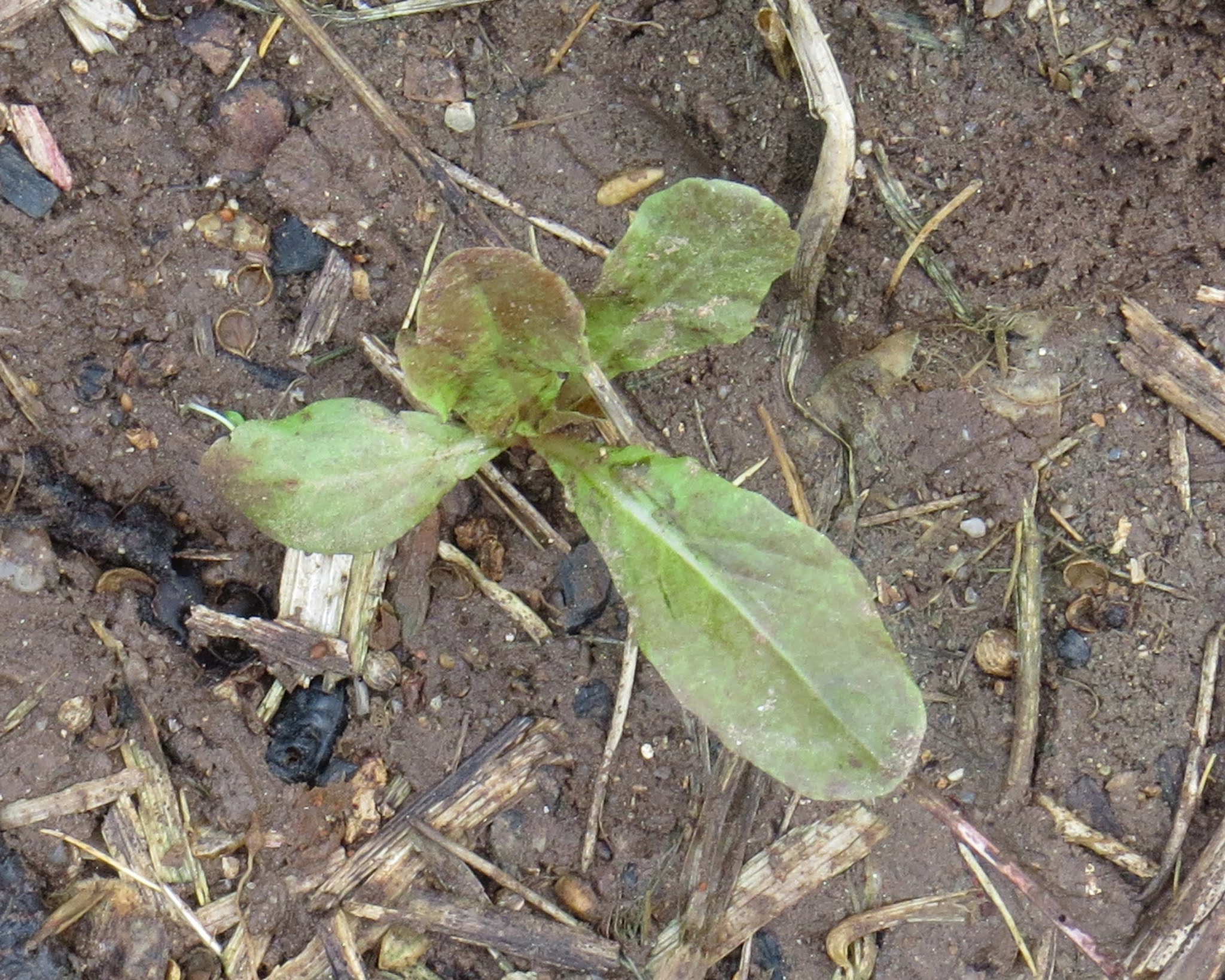
Anyway, while getting ready  to clear the bed, I notice a volunteer Red Romaine seedling.  Some of the celery story will be about volunteer seedlings from prior seasons.  Because I keep this "greens" bed dense and well seeded, the plants throw a lot of seed at the end.


We have a lot of birds and I still have a bunch of sunflowers attracting many birds.  The Lessor Goldfinch is a frequent visitor and was lucky enough to get a picture of one of the males eating a seed.  They also "harvest" tiny bugs which live in the sunflower heads.

First Day Of FALL!

I am sure, like me, most of you will be happy to see the heat go AWAY!  In normal years I enjoy the summer and it takes all summer long to look forward to fall.  This year with the "quagmire" of life created by covid 19, some health issues in my family and the "ennui" that seems to have settled on me, I am hoping the cooler temps, and less wildfires and smoke, will bring a literal breath of fresh air.

We should have been seeing more 90s days in the last week or so but the Smoke is keeping the heat in longer.

I have started seeding in things like root vegetables and the greens bed I mentioned above.  Sowing a seed or seeds always brings me such hope and satisfaction.

October brings major sowing and perennial planting options.  Get your cool weather herbs and root vegetables started now along with the greens and plan on re-sowing repeatedly every 2-4 weeks depending on how much you like your choices.

Fruit trees are planted best in October to maximize root development during the cool months.

Plant your Garlic in October - I try for about Oct 1st but if you get the cloves planted by Oct 31 you will have enough cold soil to give the plants enough time to form good heads in spring.

Jump into your garden and feel revitalized and renewed!

October 1st is World Vegetarian Day.  You don't need to be a vegan or vegetarian to appreciate all the wonderful options from your gardens. Plant something new and find new recipes for old favorites.

 October PLANTING:

Spring!!! in the Desert - Heavy planting possibilities:

Anise
Bay, Greek (Sweet)
Beans, Fava
Beets
Bok Choy
Broccoli
Brussels Sprouts
Cabbage            
Cabbage, Ornamental
Caraway
Carrots
Cauliflower
Celery
Chard
Chervil
Chrysanthemum, Shungiku
Cilantro
Dill
Endive (and Chicory)
Fennel, Leaf
Fruit Trees
Garlic
Greens
Kale, Ornamental
Kale
Kohlrabi
Lavender
Lemon Grass
Lemon Verbena
Lettuce (arugula, leaf lettuce etc.)
Marjoram
Mints
Mustard
Myrtle
Onions, Green
Onions
Oregano, Greek
Oregano, Mexican
Parsley
Parsnip
Peas, English and Sugar/Snap
Potato seeds (not seed potatoes - use seeds) ("seed potatoes" or cut pieces of potato should be planted Nov 1-Jan 1)
Radishes
Rosemary
Sage
Savory
Spinach
Tarragon, Mexican
Tarragon, French
Thyme
Turnips

EDIBLE FLOWERS TO PLANT:

Calendula
Carnation (Dianthus)
Cornflower (Bachelor Buttons)
English Daisy
Evening Primrose (Oenothera Berlandieri)
Hollyhock
Jasmine Sambac (Arabian)
Johnny-Jump Up
Marigolds, including Tangerine Scented (Tagetes Lemonii), Citrus Scented (Tagetes Nelsonii)
Nasturtiums
Pansies
Primrose
Scented Geraniums
Shungiku Chrysanthemum
Snapdragons
Stocks (Matthiola)
Sweet William (Dianthus)
Sweet Alyssum
Violet
           

GARDEN TIPS for October
"Spring in the Desert" - we call fall our spring because this is when we do most of 'heavy' garden work, trees, shrubs and cool weather edibles all go in now.
    The beginning of primary perennial planting season is now through February.
    Cool weather annuals and biennials can be sown every 2-4 weeks (beginning in August) through end of February for a continuous crop through next spring.
    Garlic: Plant garlic cloves no later than October 31st to ensure full maturity of garlic heads in the spring.  Plant extra if you want ‘green garlic’ (used like scallions) through the cool months. The ‘green garlic’ can be harvested when the clove below the soil swells slightly.
    This is the beginning of bare-root planting season. Asparagus, raspberry, blackberry, grape, and strawberries may start showing up in your favorite garden nursery.
    If you have ever-bearing berry vines, cut them down to the ground after the fruit is finished. (This is easier than trying to keep track of which are the oldest canes — commercial growers use this practice.)
   
Aphids are a major problem with cabbage family - forestall infestations. Add a fingertip of Dawn to 1 quart of water. Shake, pour 1/4 cup down center of each plant once a week

Make and use a safe soap spray on aphids on other plants (the aphids like our cool nights too!).  1 teaspoon each of dawn and vegetable oil to 1 quart of water.  Spray every 5 days for a minimum of 3 repeats to keep them under control.  Neem spray is a good alternative.

Find links to my books and calendars on the side bar.

Enjoy your garden, be kind, be patient with one another, and share.  Keep all first line and first responders in your hearts.


-- Catherine, The Herb Lady If you enjoyed this post, please share and subscribe below by entering your email, to get all my posts!

Enter your email address:

Delivered by FeedBurner

Disclaimer: Clicking on links on this blog may earn me a small commission if you purchase something. Your price does not change.

Friday, August 28, 2020

National More Herbs, Less Salt Day - August 29th

Dear Folks,

If you are not starting with herbs and spices to season your food BEFORE reaching for the salt shaker, let me give you something to 'chew' on!

Celery!

That is an inside joke and just a point about how our bodies and taste buds respond to food.

Celery like other edible plants (carrots, beets, spinach, chard) contain some sodium.  Which means adding celery to foods kicks up the taste of the food.

But many herbs so enhance the flavor of food that many people won't miss the salt.

One of my favorite "sub-the-salt-with-herbs" example is a baked potato.  Who does not appreciate a good baked or boiled potato with butter and salt.

But if you want a change and a surprise in how good something tastes without salt, you will need rosemary (dried or fresh minced), fresh lemon or lime juice, and potatoes. That's it.

Bake, boil or grill the potatoes.  When done, break or cut open squeeze a bit of lemon juice on them, and sprinkle with the rosemary.  Dive in and enjoy.

Many times when I cook meat, I rub with rosemary, thyme, or syrian oregano, or a combination, cracked black pepper, and that is it.  Most of the time even my guy does not reach for the salt shaker.

I hope this gives you some ideas on ways to season food with herbs before reaching for the salt.

Enjoy experimenting with herbs first!!

Have a best day, stay safe, be kind and patient.  Many people are more stressed than ever.


-- Catherine, The Herb Lady

If you enjoyed this post, please share and subscribe below by entering your email, to get all my posts!

Enter your email address:


Delivered by FeedBurner
Disclaimer: Clicking on links on this blog may earn me a small commission if you purchase something. Your price does not change.

Thursday, August 20, 2020

September Planting/Sowing Tips - Non-Soon Challenges

Dear Folks,

Well we have had / are having another Non-Soon and the added super plant (and people) stressing record highs in 110s etc.

No other way to describe it as just hot and dry and withering.

My poor limequat pictured above is just stressed, with folded leaves.  My hope for it there is new growth, but not a lot. So fingers crosses.

When you get to the list of what to plant/sow in September, keep in mind the temps.  Sow initially, you can do that starting now as long as you keep the sown area moistened each night until you see growth.

Hold off on transplant until the temps fall into the low 90s and be sure to harden off transplant before setting them out.

Some better news is I spotted a juvenile Assassin Bug on my Pigeon Pea and got a reasonably good portrait.

We still have the wild sunflowers growing and the bees enjoying them.

I caught this one with the sun just starting to get to it.

Speaking of sunflowers, I added the petals to this mix of summer greens and herbs (celery, Sweet and Dark opal basil, sweet potato and Egyptian spinach leaves) for a salad.

See below planting for more food ideas.  


Time to start getting your fall garden in shape.

However, this has been another Non-Soon, with record breaking highs, and only a tiny bit of summer rain.  Normally we can see mid-to-low 90s by mid-September, but I fear we won't be out of this heat that soon.

DON'T touch the tomato plants which are still doing well even if not producing.  You can give them a bit of a hair cut over several days starting the end of August/early September to remove sun damage and you will get a fall crop of fruit.  The plants will start setting fruit as soon as our night time temps fall below 80 -- usually around the end of August -- but this year those cooler nights may be delayed  Typically our 90+ days run from May 29 to September 29th. We can have the occasional 100 degree day even into October, so monitor the moisture needs of your gardens using the moisture meter.

September PLANTING:

Anise
Beans (bush and pole beans in first week in September at latest)
Beets
Bok Choy
Broccoli
Brussels Sprouts
Cabbage
Cabbage, Ornamental
Caraway
Carrots
Cauliflower
Celery
Chard 
Chervil
Cilantro
Cucumbers
Dill
Endive (and Chicory)
Fennel, Leaf
Onions, Green
Greens
Kale, Ornamental Cabbage
Kale
Kohlrabi
Leeks
Lettuce (leaf lettuce, arugula, mustard greens etc.)
Mustard
Parsley
Peas
Radishes
Spinach
Turnips

EDIBLE FLOWERS TO PLANT:

Calendula
Cornflower (Bachelor Buttons)
Marigold, Citrus Scented (Tagetes Nelsonii)
Marigold, Tangerine Scented (Tagetes Lemonii)
Nasturtium
Scented Geraniums
Snapdragons
Sweet Alyssum
Sweet William (Dianthus)


We have a food access problem which is and was highlighted because of the Corvid 19 impact.  Finding ways to grow and raise more of your own food - enough to use and share - it more important than ever.
  
'Grow it if we can': Aquaponics pioneer reimagines food in victory gardens, 'edible landscapes'


If you have not read or seen Dr. George Brooks work on Aquaponics in the valley, please read the article.  It will bring a whole other level of food options to you and your gardens.  Before you think we do not have the water (considering our drought), aquaponics reuses water in one of the most intense ways.

Click here.

GARDEN TIPS for September
Prepare soil for perennial planting -- edibles need superior draining soil, work in compost or well-rotted manure -- NEVER use fresh manure unless the garden will sit for 6-12 months before planting.  If your soil is already healthy, you can add a light dressing of compost or well-rotted manure.
Cool weather annuals and biennials can be sown every 2-4 weeks (beginning in August) through end of December or January for a continuous crop through next spring.
Make good use of your water meter during this temperature transitional month.
Fertilize fruit trees now -- use Labor Day as the Target date --  (early September and again at Valentines Day and Memorial Day).
For tomato plants which made it through the summer, over several days (do not do it all at once) give them a 1/3 - 1/2 hair cut and receive a fall crop of tomatoes through first frost.
BERRY VINES - OCTOBER 1st: cut all canes, old and new, to ground after fruiting - commercial growers use this method.

Order your garlic and potato "starts" (heads and seed potatoes) for planting later on.  They can be stored in cool dry conditions until planting time.  October 1st for planting garlic - December 1-January 1st for potatoes.


Meal Ideas:

I got a really nice - just one (I got the seeds in late) - spaghetti squash and could not wait to cook it.  I cut in half, seeded it and reserved the seeds for drying (for sowing next time).  I also collected some celery, basil and I'itoli onions to make a celery pesto (recipe idea sent to me by my sis-n-law) with pistachios. Tossed some of the squash with the pesto. I also froze about a cup of the squash for later use - I got about 4 cups total. 

The other food idea is a "Cream Biscuit".  This is a Southern favorite and I got to use some of my mixed herbs to see how an herbed biscuit would turn out - the answer is great.  What you see in the picture is One of the herbed ones left on the pan and the other 4 plain.  These are so delicious.

These are the first biscuits I could actually make well - I am not a great baker.  Initially, I actually did not work the dough enough, fearing the old 'don't overwork the dough' adage.

My Cream Biscuit
1 1/2 cups of well-chilled heavy cream (hold out 1/4 cup)
2 cups of all-purpose flour
3 (yes 3) teaspoons of baking powder
1 teaspoon of salt.


Optional: Dried or chopped fresh herbs

Preheat oven to 475 and position the oven rack in the middle.  Spray your pan.

Sift all the dried ingredients together (flour, baking powder, salt) then stir in herbs and cream.  Work quickly but do not overwork the dough.  I found I NEED the additional 1/4 cup of cream to make the dough hold together better.  Gently pat dough into 6 rounds slightly flattened.  Bake for 12 minutes but watch - may need 1 minute or so more, you are looking for the tops to just color and the bottoms to lightly brown.

Remove and cool on a rack.


These are awesome for strawberry shortcake!!

I hope you are enjoying your gardens and creating from the bounty.

Be safe, be kind and be patient.


You can my books and calendars for sale on the sidebar here - at Amazon, or direct from my publisher, or go to my website:  herbs2u.net


-- Catherine, The Herb Lady

If you enjoyed this post, please share and subscribe below by entering your email, to get all my posts! 


Enter your email address:


Delivered by FeedBurner
Disclaimer: Clicking on links on this blog may earn me a small commission if you purchase something. Your price does not change.

Thursday, July 16, 2020

August Planting and Sowing Tips and Around the Garden.

Dear Folks,

If you are new to gardening here in the desert southwest, gardening in August must feel like "what?" are you thinking.

[Pictured: Spaghetti Squash fruit has doubled in size from July 6th when I first spotted it.]

Bear with me here as I explain how seeds react to our temperatures.  From approximately May 29th to September 29th, the day time temperatures are in the high 90s to 110+ range and they do not fall back to below 90 for continuous days until the end of September. Sure we can get a 100 degree day in October, but the "cooling" trend starts near the end of August when the typical monsoonal rains start to ebb and with it the higher consistent temperatures.  What all of that means, is near the end of August the soil is cooling.

We have two main growing seasons for starting seed:  End of Summer/Fall and end of Winter/Spring.  We can of course grow things year round here, but the starting of the individual varieties is most successful if you pay attention to what I call, the plant feet (roots) liking cool or cooling soil, or warm or warming soil.

So, for the fall/winter garden we look at plants like root crops, lettuces and other greens, herbs like dill, cilantro, chervil and parsley.

I will be sort of repeating some of the above in the tips below the sowing guide, I just want to help you have the most success in your garden.

I have had great success in literally sowing seeds of cilantro, etc. at the beginning of August, ensured the seed area stayed moist (at least sprinkling each evening), and the plants emerged on or about September 1st.  Why bother, you think?  Because, direct sown seeds are generally stronger.  The germination rate will not be as great compared to starting in jiffy pellets or similar (I do that for starting tomatoes etc. in December for transplanting out February 1st), but the resulting plants are overall stronger, and we always have volunteer aka self-sown tomatoes pop up in different areas of the garden, thank you!

If you have noticed plants in your garden which self-seeded, they will usually be stronger and healthier - presuming they are in the right spot for their sun needs.

[Pictured:  My celery patch - is over 4+ wide.  This self-seeded LAST fall and took off, and I let it. I have been harvesting celery since late Oct/Nov.  I use a lot of celery and no I won't be able to use all of this, so a lot of it will be cut-and-drop mulch for beds.  The point is I took this picture as I write this blog - July 16, 2020.   Most of the plants are about 14 inches+ tall.  When I want celery I come out and get the best!]

AUGUST PLANTING:

Large selection of seed-only (sowing) planting.

Anise
Beans, Snap (bush and pole)
Bok Choy
Broccoli
Brussels Sprouts
Cabbage
Caraway
Carrots
Cauliflower
Chervil
Cilantro
Corn       
Cucumbers
Dill
Fennel
Greens, all
Kale
Kohlrabi
Lettuce
Mustard
Onions, Green
Parsley
Pumpkin
Purslane
Squash, Winter


EDIBLE FLOWERS TO PLANT:

Marigolds, including Tangerine Scented (Tagetes Lemonii), Citrus Scented (Tagetes Nelsonii)
Nasturtium
Portulaca (Moss Rose)
Stock
Sweet Alyssum

GARDEN TIPS for August
    The new-to-desert gardener may be asking how can anyone plant in August, with 105+ temps.  Well consider:  If you want pumpkins for Halloween, you have to count back 90-120 days for seeding in.  These seeds will germinate in the 'cooling' soil.
    Cool weather annuals and biennials can be sown every 2-4 weeks (beginning in August) through end of January for a continuous crop through next spring.
    With food plants such as pumpkin and corn and their long growing season requirements, a one-time planting is sufficient.  AND, give the pumpkins room!
    With corn, plant in 'blocks' not 'rows' space the individual seeds approximately 6 inches apart imagining a 12 inch square, then the next square etc. you will have rows in a sense, but not the typical farmers rows.  The reason for this is pollination - the anthers of the corn knock together better with the closer planting and therefore you get more corn.
    PLANT ONLY one variety of corn a season - otherwise they may cross.  Save one or two cobs, allowed to dry on the stalks at the end of the season for, replanting next corn season
    Heavy pre-fall seed planting begins now (corn, pumpkin, etc.).
    Higher humidity can reduce moisture loss to plants, reducing watering frequency, but check with water meter regularly.
    Hold off on any major TRANSPLANTING until the fall when the temperatures drop back to prime planting weather.  Typically we do not see below 90 temps between May 29th and September 29th (other than a storm but the temp drop is short-lived).
    Chlorosis may appear particularly in the fruit trees.  This yellowing of the leaves, leaving the leaf vein showing through bright green is the result of the iron in the soil being made unavailable to the plant due to excess water in the soil which causes the iron to bind to other minerals.
    Easily treated with an application of ironite or green sand before watering.  These elements do not burn the plants and can be used as needed throught the season.  The yellowing of the leaves usually resolves within 1 to 2 weeks of the application.  Use only ironite or green sand and not a fertilizer containing it as you could overfertilize and THEN burn the plants.
    Although this is a result of a lot of water in the soil it does not necessarily mean you are overwatering, only that the additional water required due to the high heat of the season is causing the situation.  It sometimes also occurs in the winter time when the cold soil causes the same thing to happen.

HOWEVER - you CAN over water during the Summer Monsoons.  Use your moisture meter to check soil moisture after heavy rains.  You may be able to skip the next watering cycle if it is within 2 days of the rain.

SUNBURN damage:  Like frost damage - do not prune until danger of sunburn is over - the damaged plant protects the lower growth.

TOMATO "RESTART" TIP
    Tomato plants that have continued through the summer will start setting fruit again as soon as the night time temperatures drop below 80 again. Towards the end of August to September prepare for new flowering times by pruning back about 1/3 to ½ of plant, do this gradually over several days, to give the protected lower growth time to adjust to the higher light levels.

TIME to watch for aphids and other pests that start to flock back as the night time temps dip down at the end of August.
    They like the cooling weather as we do!  The squash family (pumpkin) is particularly vulnerable so keep your safe soap spray handy (1 quart of water, 1 teaspoon each of vegetable oil and dawn dish detergent)  Shake spray, shake spray undersides and tops of leaves every 5 days as needed.  Do this in the evening so the spray does not sunburn the plants.
    With the cabbage family another food plant favored by the bugs, pour a quarter cup of light soapy solution right down the center stalk once a week (1 quart of water and a finger tip of dawn dish detergent)  Grandma would dump the used dish pan water down the plants to do the same thing.


National Farmers Market Week is August 2nd - 8th.   You can find wonderful local produce and more. And some of them will have an option for YOU to sell extra from your gardens.  Check with market managers about that.

Some fun things in the garden now:

I noticed the banana flower just starting June 24th.  This is what it looks like 2 days ago.  This is a LONG flower stalk, beginning on the right of the picture and you can just barely see more "hands" of fruit beginning on the left.  If the bees keep up with it that could be a huge (please!!) set of hands of banana fruit.  This is the only variety I grow, Ice Cream Banana, aka  Blue Java.  I am really lucky this time as the plant put out the flower at the perfect time.  In the last couple of years the flower and fruit emerged to late and were mostly killed back by frost, as it takes about 4 months from flower emerging to ripe fruit.  So I am looking forward to fruit in October.  Did I mention the fruit is amazing!! Small but so creamy with a hint of vanilla flavor.  Eaten fresh - wonderful and I make the most amazing real banana pudding. :-)


I have several critter sculptures in the garden.  This one is the most recent.  "Sunny" the sunflower with a visiting silk butterfly.


I put 'her' where we can see her - when not covered by nasturtiums in the winter - from our kitchen table.

My Turmeric is getting huge.  This picture was taken about a week ago and it is already at least twice the size and I need to trim back the grapefruit branch that is in the way :-)  As big as these leaves are this year, I am hoping for good size rhizomes in late fall.  I harvest after the leaves decline. 

I hope you are finding your garden a source of comfort and peace at this really stressful time.

Take care of yourselves and each other, be kind, be patience and be generous.


-- Catherine, The Herb Lady

You can my books and calendars for sale on the sidebar here - at Amazon, or direct from my publisher, or go to my website:  herbs2u.net

If you enjoyed this post, please share and subscribe below by entering your email, to get all my posts!


Enter your email address:


Delivered by FeedBurner
Disclaimer: Clicking on links on this blog may earn me a small commission if you purchase something. Your price does not change.

Thursday, June 18, 2020

July Planting (Sowing) Tips

Dear Folks,

Pictured - ratatouille for dinner tomorrow.  I took these pictures this morning.  I was delighted to find the Black Cherry Plum tomato volunteer the other day.

With the up/down heat/cool the tomatoes had not fared well.  The listarda eggplant, paradicsom sweet pepper and garlic will make a great meal - no squash at this time.

Another wonderful edible which loves the garden is the I'itoli onion, grown by the Tohono Oʼodham people near by for 400+ years.  This bunching onion has the taste of a shallot with a mix of onion and garlic and is prolific.  This time of year the greens start to go down and it is time to harvest separate and replant.  During the growing time, I harvest the green tops mostly and the occasional bulb.  I love this onion so much I do not grow any others except garlic chives which seems to want to stay!

Accepting Diversity is as natural as growing food and "can" be both challenging and rewarding.  Read my perspective at the end of this blog.

New to gardening folks always comment or ask - how can you grow anything in 100+ degrees.  The short answer is that it has been done for hundreds of years.

The beginning of July is the beginning of our summer Monsoon (rain) season and certain native plants were and are suitable for starting in early summer to coincide with the rains.

Corn, beans (native Tepary) and squash were and still are grown together as the "Three Sisters" with a 4th sister of sunflowers along the outside of the sisters, to attract the pollinators.

Grown together they formed a natural companion planting technique.  The corn grows tall, the beans grow up the corn and the squash grows along the ground, controlling the weeds and keeping the soil surface cool and moist. Native Americans sowed in a manner that allowed them to create a small well containing all the seeds to allow for ease of watering since they had to carry the water to the plants and direct water or filled ollas.  Ollas are UNglazed terracotta pots with small openings - less evaporation - partially buried in the ground in between plantings - installed before sowing.  The filled pot wicks moisture into the soil around it on a constant level.  Click here to read up on ollas and how to make your own.  While traditional clay is most used, you can create a similar watering device with a CLEAN plastic gallon jug, pierced all the way around with tiny punctures.

July PLANTING:

Armenian Cucumbers pictured are actually a type of melon with a cool cucumber taste and actually do well in our heat.


Most of the planting in July and August is by seed for fall production/harvest. Consider this: If you want pumpkins for Halloween, you have to count back 90-120 days for seeding in. If you do not have a bed prepared or in mind for planting now, get your bed(s) ready.

Beginning July 15th
Seeds Only Planting:

Amaranth
Anise
Beans, Tepary
Cantaloupe
Caraway
Chervil
Cilantro
Corn
Dill
Fennel
Luffa Gourds
Musk Melons
Parsley
Peppers
Roselle
Pumpkins
Squash, Winter       
Sunflower

GARDEN TIPS for July
    Sown areas need to be kept consistently moist and the seeds will germinate based on soil temperatures. [Cool weather seeds can be sown now and will give you a jump start when the soil begins cool later on.] Lightly cover with loose soil and loose mulch to keep the area moist.

    Sprinkle sown beds EVERY evening until you see them break the soil surface. Then you can start watering more but less frequently to encourage the roots to go down.
    Higher humidity can reduce moisture loss to plants, reducing watering frequency, but check with water meter regularly.  It is possible to over-water - then followed by under-watering - causing plant stress.
    Tomato plants are unable to set fruit when the Night temperatures stay in the 80s.  Maintain the plants through the summer and you will get a fall crop of fruit before frost.
    Sun damages plants in the summer time, as frost damages them in the winter time. As in frost damage, try to leave the sun damage at the top of the plant alone, if you can, as it protects the lower portions of the plant.  Pruning for fall can start at the end of August through the beginning of September when the monsoon ends and night time temperatures fall below 80.


Accepting Diversity is as natural as growing food and "can" be both challenging and rewarding.

The virus has shaken my world (more on the below).  However with the murder of a Black Man by a police officer calmly killing him shook me to my core.


I grew up in a First Responder family -  Firefighter Uncles and a cousin.  My sweetheart partner is a retired Fireman/EMT.

I have a cousin who is a police officer.  I HAD another one who was murdered on the job several years ago.

The push back has been almost as horrible as the murder.  The whatabout'ers are side tracking the point.  Hundreds of years of being a target because of their skin color.

BUT I did not grow up a "target" because of my skin color or ethnicity.

As a white woman, growing up back east, I remember wincing as family and friends made ugly ethnic and racial comments, but I never challenged them. Privately the same people would say it was nothing and they were friends with ...

This quiet "oh well" then-reality has now come back to haunt us.

BUT I did not grow up a "target" because of my skin color or ethnicity.

I did not grow up in a well-to-do family - we did not have a lot, but did not want for food, although sometimes the variety and nutrition were lacking.  I lived with hand-me-down clothes until I got my first job.

One of my family was so smart he was able to qualify for scholarships to the best colleges.

BUT I did not grow up a "target" because of my skin color or ethnicity.

I have to, and want to, do more to support everyone.  People are afraid for a variety of reasons - including the virus which is impacting so much of what used to be normal.

I want to have conversations with people about how to ease their fears. All people need to be heard regardless of opinion - without violence.  If someone who disagrees with me can tell me why they feel afraid and fear the future I want to hear them.

I was recently diagnosed with a new health challenge.  I am limited for my safety to how much I can interact with the public because of the virus.

But I am here via email and facebook messaging to have conversations with whoever wants to calmly and politely discuss their point of view and fears.

Take care of yourselves and each other,
Be kind, patient and supportive of all who need our help and support.

{{hugs}},


 Catherine


 -- Catherine, The Herb Lady

 If you enjoyed this post, please share and subscribe below by entering your email, to get all my posts! 


Enter your email address:


Delivered by FeedBurner
Disclaimer: Clicking on links on this blog may earn me a small commission if you purchase something. Your price does not change.

Wednesday, May 20, 2020

June Planting Tips and Around the Garden


Dear Folks,

I hope you are enjoying the cool down before we leap back into the 100+ temperatures.

I like to talk about our summers being like winter in North Dakota - you hunker down and make do.  BUT that is not the whole of it.  Many of our vegetables and herbs LOVE and need the heat and all of that sun. Tomatoes and Basil for example.

The real issue is not the air temperature but the soil temperature, which is why I and others talk mulch, mulch, and more mulch.  It cools the soil and roots, minimizes evaporation which maximizes your water usage and creates the optimal environment of direct sun for the tops of the plants and cool soil for their 'feet'.

June, July and August are a lot about going and coming.  The picture at the top is of my Turmeric - just last week I was looking to see if it had sprouted - nothing.  Then yesterday "boom" there it was about 14 inches tall already! FYI the yellow you see in the center of the leaf is the sun peaking through branches of the citrus tree right beside the area.

Then there is my celery which had happily reseeded not only in the designated greens area but here, there and everywhere.  It is all going to seed or will be going to seed, so I wanted to get some to freeze.  I dry a lo of my herbs, but I thought since I mostly use his much celery in cooking I figured flash freeze and bag up for later use.  I still have some in the garden (some is a euphemism for way too much) which I can still harvest until they flower.

My greens and herbs bed this winter has given me so much joy, I plan on continuing this each year.  I stuff them into sandwiches, soups, stews, under and in salads, including tuna and egg and I also use a ton of them in cold grain salads like a mix of barley and quinoa.

About gardening in the Summer.  You could call summer our transition planting/sowing time. There is active growth and production (such as the tomatoes and basil mentioned), along with sweet potato leaves to use as greens, and melons.

June and July is about sowing foods which will produce in the fall and some of them will produce in the summer.

Fall production like winter squash needs to be planned for by sowing in May-July to have them for Halloween and Thanksgiving.

Plan ahead on things you would like to sow in July and August. July is the Monsoon sowing time for things like winter squash, corn and beans (Three Sisters).  Then the middle to late August we start sowing - fall herbs and veggies.  Root crops may require a very cool long growing season.

Head varieties of foods like broccoli and brussel sprouts also need a long cool weather growing time.

Like wise all the greens and herbs like dill, cilantro, chervil and parsley like the cool weather, so - sow early and often on the greens and herbs to continue to harvest all winter into spring.

June Gardening

Cantaloupe
Corn
Cucumber, Armenian
Eggplant
Gourds
Luffa Gourd
Melons, Musk
Okra
Peas, Black Eyed
Peppers, Chiles
Potato, Sweet
Purslane

USING existing plants you can under- seed with:  Basil, Chives, Shiso, and Epazote

EDIBLE FLOWERS TO PLANT:

Portulaca
Roselle, Jamaica Sorrel (Hibiscus sabdariffa) (not too late to direct sow seeds)
Sunflower
Zinnia

GARDEN TIPS for June
    June through August in the Desert Southwest is the equivalent of winter in North Dakota — you maintain what you have planted, taking special care of young or sensitive plants. With the exception of August when the heavy pre-fall seed “sowing” begins, it is a good idea to hold off on any major transplanting until the fall when the temperatures drop back to prime planting weather (below 90 daytime).
    Our Flower Mulching technique can be used to protect young plants by canopying the soil around them, placing the flowering plants very close to the base of the young plants.
    Heavy watering requirements may result in yellowing of leaves due to iron deficiency, especially of fruit trees (Chlorosis).  Apply Ironite or Green Sand before next watering to correct.
    Sowing corn for fall harvest, plant ONLY one variety at a time, so you can save some dried corn after harvest for re-sowing.  You can sow corn twice a year.

Use your moisture meter to determine if you need to change the frequency of watering adjusting to the higher temperatures.  Did you know you can actually over water when the humidity starts ramping up in July?  Again use that meter.

Begin looking into what you will be sowing mid to late July and Early August for fall growth.  If you want winter squash or pumpkin you need to count backwards from Halloween or Thanksgiving 90-120 days for sowing.  Also you can seed in winter herbs such as Cilantro, Chervil, Dill and Parsley in August and the seeds will germinate when the soil begins cooling.  You need to make sure the sown area stays moist.  Light Leaf cover helps.


Around the Garden - More 

My Caper is starting to put out flowers.  While the caper most know to folks is the "unopened" flower bud - I wait for the fruit which follows to harvest to brine and store.  This is such a gorgeous flower and it only lasts about 1 day then fades.

Black Tail Watermelon is one of my favorites for size (small to medium) and taste - delicious!

I sowed seeds back on February 18th and the seedlings were coming along nicely, but I was concerned because they had managed to get outside the cardboard tube I use to keep the pests from getting to the tender stems.  They were going along nicely until about 10 days ago when I came out and they had been cut at the soil level. Grrrrr.  So, I went on to soak more seeds for a couple of days and put them in - making sure they wound up inside the tube - on Thursday.  I was absolutely amazed they sprouted on Monday - 4 days later!  This is a picture this morning.  I put a bit of leaf debris to provide that mulch effect I talk about.  There are multiple seedlings so I will watch and choose which is the strongest.  The chicken wire collar is a bird deterrent :)

I hope you have a great Memorial Day Weekend - remember our fallen heroes while enjoying your BBQ, AND be safe, be kind, and be patient.

-- Catherine, The Herb Lady

If you enjoyed this post, please share and subscribe below by entering your email, to get all my posts! 

Enter your email address:


Delivered by FeedBurner
Disclaimer: Clicking on links on this blog may earn me a small commission if you purchase something. Your price does not change.