Garden, Plant, Cook!

Thursday, December 17, 2015

25 Days of Herbs and Celebrations - December 17

Dear Folks,


Celebrating the Multicultural festivities of December, I thought I would pick an herb or spice which is referenced in the Bible (land of three of the Major Religions of the world) and used in many cuisines around the entire world, as a way of gathering together all the wealth of diversity around us - in true celebration.


Day 17
Herb:  Garlic (Allium sativum) Numbers 11:5 “"We remember the fish which we used to eat free in Egypt, the cucumbers and the melons and the leeks and the onions and the garlic,
Garlic, elephant garlic bulbettes and elephant garlic

Both regular garlic (Allium sativum) and elephant garlic (Allium empeloprasum) are members of the onion family.  Elephant garlic is not actually a "garlic" but rather a Leek on Steroids, and has a milder (some think too mild) garlic flavor.  You can't see the leaves in the picture, but they are 'strappy' like leek and could be used to flavor foods.  In fact, even the stalk and leaves of either plant, which are generally disposed of after harvest, can be used to flavor soup, stews, and broths.

Other “named” garlics are Garlic Chives, aka Asian or Chinese Chives, Allium tuberosum, and Society Garlic, Tulbaghia violacea.  Garlic Chives like onion chives are grown for their leaves and flowers to be used in cooking and has a milder garlic flavor.  Society Garlic is a totally different plant family and is grown for its beautiful orchid like flowers and leaves in cooking.  Society Garlic is said to have the Anti-Garlic affect on your breath.
End of my harvest after "curing."

Garlic is best known for its edible cloves contained in a ‘head’ which have from 6/8 and up to 14 cloves depending on the variety grown.

Garlic has long been known for its health benefits dating back to 2000 BC and Galen eulogized it as the "rustic's theriac" (cure-all) – wikipedia

Garlic has antimicrobial properties and has been suggested for use, and researched in issues like cholesterol, cardiac, cancer and the common cold.

And it makes many foods taste wonderful, which is why the ancient Jews lamented the lack of them in their food!

Planting:
We plant garlic October 1-31st in the desert garden do ensure enough winter chill to form the heads in April.

But a lesser known type of growth is ‘green garlic’ where the young plant is pulled, similar to an onion scallion and the whole bulb and green tops are used to provide a mild garlic flavor in cooking.

In the desert garden you can plant the cloves now through mid-February, every 2-3 weeks, to provide a continuous crop of Green Garlic to your kitchen.

Recipes:

Herbed Butter
     Herbed butters, so called "compound butters" because they mix herbs and spices with butter and occasionally oil, are an excellent way to add flavor to your holiday cooking.
     All fresh herb butters should be refrigerated and used within 5-7 days.  Can be frozen as a log and sliced and used when needed.

1 stick of softened butter
1 teaspoon of chopped Garlic
1 teaspoon of chopped parsley
1 teaspoon of chopped celery leaves
     Blend well. Spread mixture in a long "tube" on wax paper, roll and store in the refrigerator.  Cut slices for use.
     Uses: use in mashed potatoes or on top of baked potatoes, top steamed vegetables, herb toasted bread, slide chilled slices under the skin of poultry, place a small pat on just grilled steak, or place a small slice in center of crescent roll dough before rolling up and baking.
     A Better Butter can be made my blending (your blender will work better with this than a food processor) equal parts of olive or avocado oil and softened butter, to which the herbs can be added.  This creates a sweeter, spreadable butter mixture.


Roasting Whole Garlic Heads

Most Preferred: Slice off the tippy top of the garlic head to expose just a small part of each clove. Drizzle a bit of olive oil on the cut top.
1) Roast on the grill on indirect heat for approximately 40-45 minutes - squeeze to test (don't burn yourself!) - it should feel softened.
2) Oven: at 400 degrees for 45 minutes.

Second Most Preferred: Separate the clove from the head and do NOT not peel. Toss in along side of any roast you are cooking, or place in a single layer in a pan and oven back at 400 degrees for approximately 25 minutes - squeeze to see if they have softened.

Roasting garlic mellows the flavor, bringing an incredible nutty taste to it. Squeezing the pulp from the skins is the easiest way to express the roasted garlic out. Add to mashed potatoes, spread on toasted bread with or without added tomatoes, basil and cheese, add to salad dressing and sauces.

Freeze in air tight container for long term storage. Refrigerate and use within a week for short term keeping.


Music:

Mistletoe and Holly
Frank Sinatra


Santa Claus Is Coming To Town

Bruce Springsteen


-- Catherine, The Herb Lady

If you enjoyed this post, subscribe in the upper side bar link, to get all my posts!

Disclaimer: Clicking on links on this blog may earn me a small commission if you purchase something. Your price does not change.

Wednesday, December 16, 2015

25 Days of Herbs and Celebrations - December 16

Dear Folks,


Celebrating the Multicultural festivities of December, I thought I would pick an herb or spice which is referenced in the Bible (land of three of the Major Religions of the world) and used in many cuisines around the entire world, as a way of gathering together all the wealth of diversity around us - in true celebration.
My Syrian Oregano in July - with Bee!


Day 16
Herb:  Hyssop – of the Bible is generally recognized as Syrian Oregano Origanum syriacumaka Origanum maru, is native to the lands of the bible.  Leviticus 14:52 "He shall thus cleanse the house with the blood of the bird and with the running water, along with the live bird and with the cedar wood and with the hyssop and with the scarlet string. 53 "However, he shall let the live bird go free outside the city into the open field. So he shall make atonement for the house, and it will be clean."

Syrian Oregano is a superior culinary herb and can be used in place of Greek Oregano Origanum vulgare.  Where Greek Oregano has a distinctive “bite” the Syrian is slightly sweeter, still having all of the culinary and medicinal properties of oregano.

If you have enjoyed the authentic Middle Eastern spice blend Za’atar, then you have tasted Syrian Oregano, known as “Za’atar in that region.  The blend is a combination of ground sesame seeds, sumac berries (a specific plant -- Rhus coriaria -- known as the “lemonade tree” for the tangy flavor of the ripe berries – not to be confused with poison sumac) and Syrian Oregano, and is the “go-to” blend for seasoning many dishes.  Many Za’atar blends substitute some form of Thyme for the Syrian Oregano.

Planting:
Baker Creek sells the seeds and they germinate easily in our desert gardens. The herb can get really happy in the garden if planted in full sun, well draining soil, giving you years of harvest potential.  http://www.rareseeds.com/oregano-wild-zaatar/

Craft Project:
Yule Log!  The Yule Log is an old tradition used by both pagans and Christians for different celebrations.  It is a fun project for the family to create for use in your fireplace (do check on burn restrictions because of air quality), firepit or chiminea.

Gather ingredients for a Yule Log.  The Log can be lite on December 20th/ 21st (celebrating the Solstice) or December 24th (Celebrating Christmas Eve) or both.  It can be used as a centerpiece and/OR you can burn it - to burn it the herbs etc. must be perfectly dry or it will smoke.

My 'yule log' "recipe" - this is a fun project using all edible herbs and spices for decoration and aroma. You can make the log exactly as described or use your own special herbs, edible plants, fruits and flowers - just be sure if you are going to actually burn it (it makes a lovely centerpiece) that all components are perfectly dry before lighting or it will smoke.  Pictured are the ingredients I chose from my garden, some wrapping paper, paper ribbon, some of the last of my Roselles, lavender, myrtle, rosemary, orand and grapefruit peeo, and bay leaf, I also gathered some cloves to tuck in here and there and elmer's glue.  I am so not creative, but I think this turned out nice.  It will dry nicely and be ready to light in a week or so.

YULE LOG
--1 piece of log wood with bark, cut to fit your fireplace, chiminea or fire pit (the knurlier the better) - use hardwood for fireplace or concrete/metal fire pit; use softwood for chiminea (this is important hardwood will get so hot it can crack your terra cotta chiminea).
--Peel of 2 oranges, cut in strips, small pieces or spirals
--Elmer's (or other white) glue (not cement, hot glue or like – will create toxic fumes)
--Sprigs of rosemary, lavender, oregano, thyme, sage or any aromatic herb
--Any combination of whole spices:  allspice, star anise, cloves, cinnamon sticks
--1 Bow (or you can arrange orange peel in the form of a bow before drying) you can use strips of Christmas paper to make a bow or bows.  The paper ribbon which can be twisted using a sharp blade are pretty also.

     Glue herb sprigs decoratively all over top and sides of log.  Arrange and glue orange peel in amongst the herbs.  Fill in with whole spices.  Add bow.

       If the bow is not made of paper or orange peel, remove before lighting.

       Legend says the longer the log burns the longer your good luck for the new year. 
      For Christians, traditionally lite on Christmas Eve, this is so fragrant and pretty you may wish to make several and use during our winter months for special celebrations.

Music:

White Christmas
Bing Crosby

Oh Christmas Tree (from the Perspective of the Cat)


. . .

Garden more successfully in the Desert with my month-by-month planting calendar.


-- Catherine, The Herb Lady
If you enjoyed this post, subscribe in the upper side bar link, to get all my posts!

Disclaimer: Clicking on links on this blog may earn me a small commission if you purchase something. Your price does not change.

Tuesday, December 15, 2015

"It's A Marshmallow World . . . In My Kitchen!"

Dear Folks,

With no apologies to Dean Martin's song "It's A Marshmallow World" - I Made Homemade Marshmallows!!

First a little anecdote.

I was at a gathering the other day, fun stuff.  It was part cookie exchange and I brought homemade cookies and homemade marshmallows.  While offering them to one gal saying "I made homemade marshmallows" she responded with "why"?   Oh my why not! I thought.  :-)


Homemade Marshmallows flew onto to my make-it-at-home radar several years ago when Martha showcased them and I thought I want to do that.  But I was turned off by 2 things:  1) corn syrup is called for in every recipe, almost, and 2) they always say you need a candy thermometer!  This is frustrating to me because I KNOW these kinds of candies were made before thermometers and they turned out great.

So long story short, over the last couple of years I looked and looked and looked for better recipe options.  I thought I had found a good option when I read other syrups like maple syrup could be substituted for the corn syrup and then I tripped across the blog site of "Nuddybar" and WOW she nailed it and took all of the worry away.  What a cute gal and creative too.  Make sure you watch her video.

Throw out your worries about candy thermometers - she easily shows that the two stages are just beaten for a specific number of minutes (a standing mixer is good for that - or two people who can switch off holding the beater).  That took all the thermometer, soft-ball-stage chemistry angle and threw them out the window! Yay!!!!

So back to the gal's question "why".   Every winter I buy a package of marshmallows for my homemade hot cocoa that Deane loves, I like those chocolate coated marshmallow candies as a treat, and way back when I was a kid I was introduced to a fluff-er-nutter, peanut butter and marshmallow sandwich.  That's why :-)

AND now I get to control the ingredients of this homemade candy.  And I need to really shout about just how wonderful these homemade ones taste.

The commercial kind have 10 ingredients, some of them chemistry sounding AND blue dye!!!  In a white food!  Growing up we used blue dye to make our white clothes whiter, but in food!  You can see from my picture that mine are snowy white and I used organic sugar which has a little beige hue and the marshmallows turned out white!.

This recipe has 7 ingredients (1 is vegetable oil as an anti-sticky element during the making).

This made a LOT of marshmallows.  I think the recipe can be halved easily without changing the taste or texture.

[CAUTION:  You are dealing with a sugar syrup that is boiling at one point - burns from a hot sugar mixture are terrible so be very careful in handling the boiling mixture.]

RECIPE:

Homemade Marshmallows
without corn syrup or thermometer


http://nuddybar.com/2015/01/23/homemade-marshmallows/

(Catherine's Notes:  I used a 9 x 13 pan and an oiled pizza wheel for cutting - worked great -- I also used organic sugars - so far I have not found organic cornstarch but I'm looking)


Ingredients:
1/2 cup cold water
2 tbsp. gelatin (2 envelopes)
 

1/2 cup cold water
2 cups granulated sugar
1 tsp. vanilla


3 tbsp. icing sugar [powered sugar]
1 tbsp. cornstarch


1 tbsp. vegetable oil

Equipment:
Large bowl
Small pot
Measuring cup
Measuring spoons
Hand blender
8×8 pan (or larger, for thinner marshmallows) or 9 x 13

Parchment paper and scissors (or plastic wrap or aluminum foil)
Rubber spatula
Cutting board
Large knife (or pizza wheel or kitchen shears)
Sieve

Directions:

Using a large bowl [this can be the bowl of your stand-up mixer], sprinkle the gelatin into 1/2 cup of cold water and give it a quick stir. Set it aside to soak.

Pour the other 1/2 cup of cold water into a small pot, and add the granulated sugar.

On high, heat the water-sugar mixture until it begins to boil. Turn down the heat to low, and simmer this syrup for 10-15 minutes.  [You can stir occasionally to keep the syrup from inching up the sides.]


Remove the pot from the heat.

While the syrup is cooling [you are only letting it stop simmering], line all sides of the 8×8? pan with parchment paper. Use some vegetable oil to lightly grease the paper.

Mix together the icing sugar and cornstarch, and use about a tablespoon of it to dust all sides of the pan. [If you need more mixture just keep proportions the same 1 cornstarch to3 powdered sugar.]

Pour the syrup into the bowl with the gelatin, and beat it for 5 minutes with a hand blender until it’s white, thickened, and doubled in volume.

Add the vanilla (and any flavouring or colouring), and beat it for another 7-8 minutes until it’s thick, glossy, and tripled in volume. It should almost be able to stand up on its own.

Scrape the mixture into the pan using a rubber spatula coated with vegetable oil, and flatten out the top as best you can.

Using the sieve, dust the top with the sugar-cornstarch mixture.

Put the marshmallow pan aside and let it set, uncovered, for a few hours.  [We let it sit overnight on the counter covered lightly with a towel and it was fine to cut the next day.]

Turn the marshmallow slab out onto a cutting board covered with parchment paper dusted with sugar-cornstarch. Oil and dust a large knife with sugar-cornstarch, and cut the marshmallow slab into 1 to 2-inch squares. Dust the marshmallow edges with more sugar-cornstarch to prevent them from sticking.


[To dust the cut cubes, I put the cornstarch/powdered sugar in a bowl, tossed handfuls of the cut cubes in and just gently tossed with my hands - did a great job of coating -- where I wanted to dip them in the sprinkles, I hand coated each cube except for one side and pressed the sticky side into the sprinkles held in a bowl.]

Store the marshmallows in an airtight container at room temperature for ~1 week.  [We are still enjoying them 2 weeks later - I sometimes drop a cube into my coffee cup while it is brewing.]

"But even if you undercook or overcook the syrup, it doesn’t make a huge difference in the texture of the marshmallows. One time, I cooked the syrup for 2 minutes, and the marshmallows were still fine, just a bit stickier."  -- Nuddybar


Re:  A Fluff-Er-Nutter Sandwich - when you make these marshmallows at about the half-way to 2/3rds time of the final beating you will see marshmallow fluff.  I did not try it but I think at that stage you could jar up some and have fluff for making the sandwich.  I'm gonna try it with the next batch :-).


-- Catherine, The Herb Lady

If you enjoyed this post, subscribe in the upper side bar link, to get all my posts!

Disclaimer: Clicking on links on this blog may earn me a small commission if you purchase something. Your price does not change.

Fine my cookbook is available in print, epub and pdf

My Publisher 101 - print http://www.lulu.com/shop/catherine-crowley/101-recipes-from-the-herb-lady/paperback/product-3839461.html

My Publisher 101 - ebook - pdf
http://www.lulu.com/shop/catherine-crowley/101-recipes-from-the-herb-lady/ebook/product-17576783.html

My Publisher 101 - ebook - epub
http://www.lulu.com/shop/catherine-crowley/101-recipes-from-the-herb-lady/ebook/product-12287998.html


25 Days of Herbs and Celebrations -- December 15

Dear Folks,


Celebrating the Multicultural festivities of December, I thought I would pick an herb or spice which is referenced in the Bible (land of three of the Major Religions of the world) and used in many cuisines around the entire world, as a way of gathering together all the wealth of diversity around us - in true celebration.

My Spearmint

Day 15
Herb: Mint, Mentha from the Lamiaceae (Mint) family which includes its relatives such as Basil and Lavender.  Mentioned in the bible Matthew 23:23, Luke 11:42 "But woe to you Pharisees! For you pay tithe of mint and rue and every kind of garden herb, and yet disregard justice and the love of God; but these are the things you should have done without neglecting the others.”
Mint along with other herbs were so valued they were used as a form of currency.

"As for the garden of mint, the very smell of it alone recovers and refreshes our spirits" --Pliny the Elder


Meet The Neighbors – The Lamiaceae Family – The Mint Branch!
By Catherine, The Herb Lady - originally from my Newsletter  January 18, 2003
     Lamiaceae (formerly labiatae) is the well-known and well loved mint Family.  Botanically, the members of this family have a square stem, two-lipped flowers, and simple usually undivided leaves.  Many are herbs such as lavender, basil, thyme, rosemary, and of course the mints--and it is the mints we will visit with today.
     As neighbors, mints are an old established family.  Grandma planted them under an old leaky faucet, because they just love to play in the water!  One of the few herbs that likes its feet wet, mint needs damp (not wringing wet) soil and a bit of shade in the western summer afternoons.  Once established this family of herbs can easily take over the neighborhood. The incredible list of scents and flavors is due in part to its willingness to make new friends, i.e., plant two different side-by-side and you will eventually have a third kind--one reason for separating your beloved favorites to keep them really separated.  Cross-strains can produce wonderful results or something not quite so wonderful.
     The main group of mints is called by its Latin name Mentha. While the origins are a little sketchy the word Mentha may have come through the Greeks for a wood nymph named Mentha who got on somebody's bad side and was turned into the plant mint.
     Now the family members: Mentha piperita (peppermint) and mentha spicata (spearmint) are probably the best known examples, with peppermint being one of the children of the marriage of spearmint and water mint (mentha aquatica).  Mint goes back to antiquity. It is mentioned in the Bible and there are several species traceable to ancient Asia and Europe.
     There are so many varieties of mint that you essentially pick a flavor and someone will have come up with it. Varieties include most of the citrus family:  orange, lime, and grapefruit.  There is a chocolate mint (part of the peppermint branch), even Margarita Mint  (that smells and tastes like sweet Margarita mix) and variegated Pineapple Mint, to name just a very few.
Cooking:
Spearmint and Peppermint are the two most common mints and are used in very different ways in cooking.
Peppermint is most associated with foods like candy canes for its robust menthol flavor, a favorite for mint tea when someone has a tummy ache.
Spearmint contains only small amounts of menthol making the flavor lighter and ‘sweeter’.  Spearmint is still used for mint tea for digestive issues primarily for children.
It is spearmint which is called for in most recipes for salads, meats (mint jelly is a traditional accompaniment to Lamb) and side dishes.
Many years ago I read that the Chef at the Savoy Hotel in London put a bit of chopped spearmint in his sandwich salads and we were hooked.  Deane asks me when I prepare egg, tuna or chicken salad for lunch if I remembered to put the spearmint in!
Low Salt/fat Cooking
From my cookbook “101+ Recipes from The Herb Lady”

            "Green Sauces" are an excellent way to enhance a low fat/salt diet. There are green sauces in German and Mexican cooking.

Salsa Verde
1/2       cup fresh parsley leaves
1/2       cup fresh basil leaves
1/4       cup fresh mint leaves
1/4      cup epazote leaves
1/2       teaspoon coarse mustard
2          tablespoons olives or capers, chopped
2          tablespoons water
1-3      tablespoons lemon or lime juice
            Combine, mashing all ingredients with 2 tablespoons of water, then continue mixing adding additional water/juice to make a thick sauce. It should not be runny.
            This sauce can be used to stuff (or spread on top of) fish or chicken before steaming, baking or grilling. Use to lightly coat boiled new potatoes or as a sauce for grilled or steamed vegetables.

Zucchini/Edamame Salad
            Gardeners and cooks like to joke about what to do with all that zucchini. Slaws are the answer!

2          cups shredded zucchini
2          cups cooked green soybeans (edamame)
Rice wine vinegar
1/4      cup finely shredded spearmint
Salt
Olive Oil

            Toss zucchini with a couple of good splashes of the vinegar. Add soybeans, sprinkle with Spearmint, and mix with zucchini. Add enough olive oil to lightly coat salad, salt to taste and mix gently.

Planting:
Mint needs it own dedicated place or large container where you can keep an eye on it because it will quickly and completely take over.  My trowel and error with my beloved Kentucky Colonel Spearmint was when I allowed it to consume an 8 by 10 foot bed and the resulting removal was huge!  It now occupies a pot set on bricks where I can keep an eye on it.   Companion plant mint with chamomile, cabbage family, squash, tomato, but not parsley.
Music:
It’s Beginning To Look A Lot Like Christmas 
Bing Crosby
Rudolph The Red-Nosed Reindeer
Gene Autry


-- Catherine, The Herb Lady

If you enjoyed this post, subscribe in the upper side bar link, to get all my posts!

Disclaimer: Clicking on links on this blog may earn me a small commission if you purchase something. Your price does not change.

My books (Calendar is currently only available at my publisher's site)

Lulu (my publisher site) http://www.lulu.com/spotlight/herbs2u

Ibook
https://itunes.apple.com/us/artist/catherine-crowley/id372564893?mt=11

amazon - print
http://www.amazon.com/Catherine-Crowley/e/B002C1HWG0/ref=sr_tc_2_0?qid=1367065857&sr=1-2-ent

Barnes & Noble - print and Nook ebook
http://www.barnesandnoble.com/c/catherine-crowley

Kobo
http://store.kobobooks.com/en-US/Search?query=Catherine%20Crowley&fcsearchfield=Author

Monday, December 14, 2015

25 Days of Herbs and Celebrations - December 14

Dear Folks,


Celebrating the Multicultural festivities of December, I thought I would pick an herb or spice which is referenced in the Bible (land of three of the Major Religions of the world) and used in many cuisines around the entire world, as a way of gathering together all the wealth of diversity around us - in true celebration.


Day 14
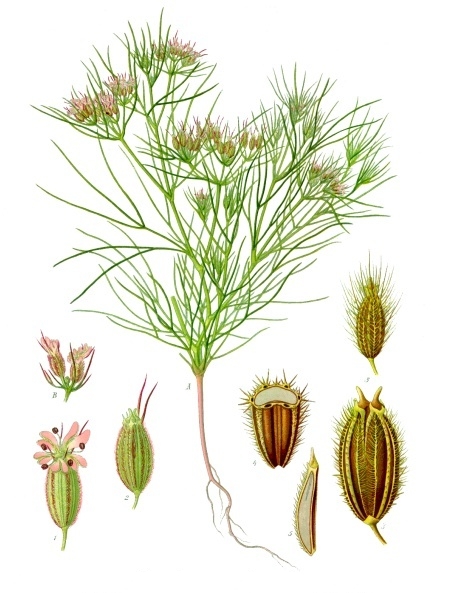
Herb:  Dill Anethum graveolens) a member of the carrot family, it is also the only member of its subspecies Anethum.  It is mentioned several times in the Bible, including references to it, along with other herbs, as a form of currency. Isaiah 28:25 “Does the farmer plow continually to plant seed? Does he continually turn and harrow the ground? Does he not level its surface and sow dill and scatter cummin And plant wheat in rows, Barley in its place and rye within its area?”  See also Day 13 quote on Cumin.
Hanukkah  Ends

Dill, the tangy and fragrant leaf and seed are widely used in everything from pickles, to vegetables, soups, stews and cooked meat dishes.  I can’t image a pantry without dill in it.
Planting:
Dill is easy to grow in the desert garden.  Start sowing seeds in early fall and plant every 2-4 weeks through January for successive harvesting and to ensure you can harvest seeds at the end of the season for use in cooking and to re-sow next fall.
I can’t find the picture at the moment, but I have a great photo taken some years ago, when – once again – I was not paying attention to plants in the back of the garden and one of the dill plants went to over 6 feet in height with the flower head a good 3 feet tall by itself!
Dill leaf dries easily and retains its great flavor for long periods if stored like all spices, teas and coffees – in a dark, cool, dry place.  And, don’t forget to have dill seeds on hand.
Medicinal: 
Dill is used for digestion problems including loss of appetite, intestinal gas (flatulence), liver problems, and gallbladder complaints. It is also used for urinary tract disorders including kidney disease and painful or difficult urination.

Other uses for dill include treatment of fever and colds, cough, bronchitis, hemorrhoids, infections, spasms, nerve pain, genital ulcers, menstrual cramps, and sleep disorders.

Dill seed is sometimes applied to the mouth and throat for pain and swelling (inflammation).

If pregnant do not use dill as medicine
. AND Lithium interacts with dill -- Webmd
Recipes:
My Homemade Dill / Garlic Lacto-Fermented Pickles.
Makes 1 quart (use glass mason jar)
About this recipe – this IS the old fashioned type of pickle without vinegar.  The tang comes from the dill and brine.  Once finished and refrigerated these last months – if you can keep from eating them everyday.
Use pint jar filled with some water for weight, during the fermentation process the ingredients have to be kept under the brine at all times.

Cucumbers, Salt, Grape or Nasturtium leaves (if you have them – they help the pickles stay crisp), organic or natural yogurt whey (this helps jump start the fermenting process but is not necessary).
Directions:
Cut into spears to fit to length 1.5 inches below rim, cut some 2 inches long to fit cross wise at the top to hold the spears down.

Place some dill and garlic along with a few nasturtium leaves in bottom.  Fill jar with spears, then add cross pieces.  Add 1 teaspoon of whey.

Make brine of 3 cups of water to 2 tablespoons of sea or kosher salt (don't use iodized salt).  Dissolve thoroughly.  Add brine to cover, place weight jar in and cover loosely with plastic wrap (to keep dust and bugs out).  DO NOT seal the jar – the gas needs to escape.

Move to quiet spot on counter or stove, label jar and check daily - gently pushing periodically to release gas.  When gas has stopped forming, remove weight, cap and refrigerate and enjoy 1-3 weeks depending on temperatures.

Dill / Onion dips are always popular – here is healthier version, suitable with chips or vegetable dippers.
My Dill Dip with Options
            Dill is one of the herbs showing up high on the antioxidant research lists.  Good for you and tastes super too!

2 cups plain yogurt (make sure to buy live-culture-better for you, with no gelatin added)
1/4 cup finely minced fresh dill, or 2 tablespoons dried
1 tablespoon minced fresh onion, or 1 teaspoon dried
Barest pinch of salt

            Mix all together and serve with choice of dippers.  Tastes even better if you let the flavors marinate for 2 hours or overnight in the refrigerator.

Option 1: Substitute garlic for the onion and add 1/2 cucumber, finely diced.

Option 2: In addition to the garlic and cucumber, add a teaspoon each of lemon juice and olive oil, and stir to make a sauce which can be used on pita sandwiches or over grilled chicken or salmon. (Not for Kosher meals – no dairy and meat combinations are allowed.)
Music:
Santa Baby
Eartha Kitt (The Best Rendition)
Holiday Dinner Party (Funny)


-- Catherine, The Herb Lady If you enjoyed this post, subscribe in the upper side bar link, to get all my posts! Disclaimer: Clicking on links on this blog may earn me a small commission if you purchase something. Your price does not change.

Sunday, December 13, 2015

25 Days of Herbs and Celebrations - December 13

Dear Folks,


Celebrating the Multicultural festivities of December, I thought I would pick an herb or spice which is referenced in the Bible (land of three of the Major Religions of the world) and used in many cuisines around the entire world, as a way of gathering together all the wealth of diversity around us - in true celebration. 
Day 13
Herb: Cumin, Cuminum cyminum, Isiah 28:27 “For dill is not threshed with a threshing sledge, Nor is the cartwheel driven over cummin; But dill is beaten out with a rod, and cummin with a club”, Matthew 23:23 "Woe to you, teachers of the law and Pharisees, you hypocrites! You give a tenth of your spices--mint, dill and cumin. But you have neglected the more important matters of the law--justice, mercy and faithfulness. You should have practiced the latter, without neglecting the former.”

Hanukkah  Continues
Cumin along with other herbs was so valued it was used as currency in the Biblical areas of the world.  A member of the Apiaceae (carrot) family, it is from the East Mediterranean to India, and used in many culture’s cooking.
Cumin was introduced to the Americas by Spanish and Portuguese colonists (Wikipedia), and is widely used in Spanish, Asian and Middle Eastern foods.  Indeed most any of these culture’s savory dishes are enhanced with cumin.
Planting:
Growing Cumin is very similar to growing cilantro.  Plant the seed (soak first) for sowing in the fall.  While the leaves and flowers are edible (choose young leaves for eating – the older ones are tougher), it is the seeds which have the most flavor and harvesting is when the seeds are tan and dry.  The time from sowing to harvesting the seed can be about 120 (4 months) days so plant and plan accordingly.  You can have multiple harvests if you sow early in the fall (late August/early September) and then 3-4 weeks later and another sowing 3-4 weeks after that.
Recipes:
My recipe for Traditional style bean chili has a nice dose of Cumin and would be a warming dish for a chilly night.
Chili Con Frijoles or Bean Chili
For a Savory and Fragrant Quick Bread to serve with meals, check out this
Cumin Quick Bread
Music:
It’s The Most Wonderful Time of The Year
Andy Williams
I’m Getting Nuttin’ For Christmas


-- Catherine, The Herb Lady

If you enjoyed this post, subscribe in the upper side bar link, to get all my posts!

Disclaimer: Clicking on links on this blog may earn me a small commission if you purchase something. Your price does not change.

Saturday, December 12, 2015

25 Days of Herbs and Celebrations - December 12

Dear Folks,


Celebrating the Multicultural festivities of December, I thought I would pick an herb or spice which is referenced in the Bible (land of three of the Major Religions of the world) and used in many cuisines around the entire world, as a way of gathering together all the wealth of diversity around us - in true celebration.


Sweet Lavender
Day 12
Herb:  Lavender (called Spikenard in the Bible) Song of Solomon
4:14 (Nard)  Solomon Admires his Beloved  13"Your shoots are an orchard of pomegranates With choice fruits, henna with nard plants, 14 Nard and saffron, calamus and cinnamon, With all the trees of frankincense, Myrrh and aloes, along with all the finest spices."  John 12:3 "Then took Mary a pound of ointment of spikenard, very costly, and anointed the feet of Jesus, and wiped his feet with her hair; and the house was filled with the odor of the ointment."
Fernleaf Lavender

Hanukkah  Continues

Lavender, Lavandula a member of the mint (Lamiaceae).
Lavendula (the Latin name is believed to come from "lavare" — to wash, a possible reference to the ancient Romans’ habit of adding lavender to their bath water) Augustifolia, is an herb so versatile I call her the Queen of Herbs for this fascinating herb is used in cooking, teas, cleaning (it has antiseptic qualities), in cosmetics, as a headache remedy, and as a pest control (most bugs stay away from lavender). The fragrance is evocative — the fragrance of the fields of spring.
            There are over 200 varieties that have been identified. The Augustifolia [English or French] or official lavenders are the preferred varieties for cooking, but all are edible. As with other multiple variety herbs—some are more palatable than others.
            One of its essential oils (linalool) is shared with other herbs including basil and rosemary.
            Many American cooks have never considered lavender as anything other than a cosmetic herb. If experimenting, consider substituting lavender for rosemary in cooking. It is one of the traditional components of Herbes de Provence, a mixture used on everything from meat to vegetables and in egg dishes.
            A common use for lavender is to flavor lemonade and cookies, and to make flavored syrups for use with poached fruits.
            Lavender was reported as such a favorite of Queen Elizabeth I, she ordered the gardeners to keep it available at all times to make her favorite relish (a conserve of lavender and confectioners sugar: suggested ratio is 1:3), which could be put in tea, made into icing, etc.
Lavender is an excellent headache remedy and relaxant. Place some in a small piece of cloth and tuck into your pillow for more restful sleep. Queen Bess sipped lavender tea for her migraines” – “101+ Recipes From The Herb Lady
Planting:
With our Mediterranean-type climate Lavender grows well here in the desert and all 200 varieties can be grown here, whereas in 4-season areas they are limited to a few of the Augustifolia varieties.
Plant in SUPERIOR draining soil, in full sun.  Give them room as they can eventually get happy and big.  Plants can take a year or two to start really growing, so be patient.  DO NOT overwater.  Lavender is one of the few herbs which will not give you a second chance if you over water it.
Recipes:
These recipes are from my cookbook “101+ Recipes from The Herb Lady”
MEATLESS COOKING
Hot Herb Crusted Tofu

            Tofu is not just for vegetarians any more; with new science indicating the benefits of regular additions of soy to our diets, this simple recipe can take the mild-tasting tofu up a notch. This dish can be made savory or sweet.

1/2       package of firm tofu*, drained well           
1-2      teaspoons dried lavender flowers
1/4       cup raw almonds, coarsely chopped
            Have a non-stick pan ready on medium heat. Mix lavender and chopped nuts together on plate. Cut tofu into 1/2 inch slices, press one side into nut/herb mix, and place nut side down in hot pan. Cook until nuts brown (about 3 minutes).
            For Savory, place on bed of mixed greens (which have been dressed with a light vinaigrette dressing), nut side up, salt to taste and drizzle with a touch of olive oil.
            For sweet, place on piece of firm sweet bread or pound cake, drizzle with honey.
            *If desired, any firm mild flavored cheese can be substituted.

Lavender/Lime Sugar Cookies

1/2       cup sugar (lavender colored optional)
2          tablespoons dried lavender flowers (divided)
2 1/4    cups flour
1/4       teaspoon salt
2          teaspoons of baking powder
1/2       cup shortening (or softened butter)
1          cup sugar
2          eggs, beaten
1+       teaspoon fresh lime juice
Zest     of 1 lime
1          tablespoon milk
            Grind together half cup sugar and 1 tablespoon lavender. Reserve stored in tight container (if you do not use all of this lovely sugar for the cookies, you can add to teas and beverages).
            Sift together flour, salt and baking powder. Cream shortening and sugar, add eggs, lime juice, zest and rest of lavender. Add sifted ingredients and milk, mix, and refrigerate for at least 30 minutes. Roll out to 1/4 inch and cut out cookies. Place on cookie sheet, sprinkle with lavender sugar, and bake at 375E for 12 minutes. Do not over bake.

Music:
Dance of The Sugar Plum Fairy
Heat & Cold Miser
https://www.youtube.com/watch?v=QRQYfwXKZxA


-- Catherine, The Herb Lady

If you enjoyed this post, subscribe in the upper side bar link, to get all my posts!

Disclaimer: Clicking on links on this blog may earn me a small commission if you purchase something. Your price does not change.