Dear Folks,
Our navel orange tree has some interesting looking things hanging around! 129 heads of garlic.
I was a little behind this year in cutting the scapes and getting the heads dug up 2 weeks later - got them all dug last night and then jumped in the kool tub (aka horse trough) to cool off. Hung them this morning - I use metal hangers, mostly tying or using pinch clothes pins to hold them. They should be hung in the shade.
Some of the heads are very small and probably won't form full cloves so I'm thinking 1) to dry them in the sun and grind for garlic granules, and 2) I think I'm going to relocate most of the garlic bed to another location this October. The grapefruit tree is so huge it shades more now than it used to.
For garlic growing novices, you plant Oct 1 and no later than Nov 1st because they need the full winter cool to help form heads. This hard-neck varieties (the kind you usually find in stores) put out a flower head called a scape, curling around and we cut them back (or should - I let them go a little longer than I should) when they reach the top of the leaves. Then about 2 weeks later the leaves start to turn yellow and it is time to dig and dry the heads until the outside skin gets papery. The whole cut scape, harvest heads and dry takes about 3-4 weeks from start to finish. You can use them right away when dug, but the peel is harder to get off. Air drying allows for longer storage. Depending on hour hot we are 1-2 weeks usually does it. I generally save some of the heads in my crisper to replant next fall and I also order fresh from my supplier.
. . .
With Memorial Day Weekend coming up this is a great opportunity to use some fun ways with herbs:
At the Grill:
BBQ HERBS. With Memorial Day and July 4th coming up we all like to think about cooking outdoors. Some tried and true ways with herbs on the que:
BASTING BRUSHES: If you are basting foods, make a basting brush out of stiff pieces of herbs like rosemary, woody basil or thyme or savory. Allow the brushes to soak a bit in the oil or marinade before using.
SKEWERS: The stiff or woody sprigs of herbs make great skewers. Pierce food to be skewered first, for easy insertion of the herb. Soak herbs for 1 hour before using to prevent the herb from catching fire. Rosemary is frequently used, but try others (my favorite rosemary and pineapple). If the sprigs are a little too flexible, try using 2 or 3 sprigs at once.
HERB SMOKE: Soak the herbs for 1 hour before using and add to coals in the last 15 minutes of cooking.
HERB OILS AND MARINADES. Infuse any of your favorites in olive oil or make marinades with fruit juices. Allow marinades to "work" for 1 hour.
DRY RUBS: Rub herb mixes or make pastes out of the herbs with a bit of olive oil or melted butter, and pat or rub into food before grilling.
HERB WRAPS: A wrap is food encased in herbs and either grilled in a foil pouch or rested on the grill. If you don't have enough herb to completely wrap the food (like lemon grass leaves). Sear food one minute on each side and lay the herbs across the top and finish cooking without turning. Fish will work very nicely this way.
Have a wonderful and safe holiday folks, be kind to yourselves and one another,
-- Catherine, The Herb Lady
Tuesday, May 22, 2012
Wednesday, May 16, 2012
Sustainability and Seven Generations
Dear Folks,
What if . . .
. . . every decision you make, or at least every important decision you make, is considered in the frame of how it will affect your great, great, great, great, great, great, great-grandchildren?
That is the sustainability question called the "Great Law of the Iroquois".
"[it] holds appropriate to think seven generations ahead (a couple hundred years into the future) and decide whether the decisions they make today would benefit their children seven generations into the future." -- http://en.wikipedia.org/wiki/Seven_generation_sustainability
So much of our national political discussions in recent years have centered around what debt our grand-children may have, where the jobs are or will be, what is being done NOW to fix the problem of the moment.
In the philosophy of the Iroquois they also looked 'back' 7 generations to see the decisions made that impacted the present generation.
I have questions for myself and society:
If a job is created to fill an immediate need (food on the table etc.) will that job ultimately do more harm than good in the long run? To the person, their family, the environment, town, society?
Is more really less? Supersized foods, drinks, plates, vehicles -- goods sold to make us feel successful? What is the legacy to our future and that of our children and community?
Are we 'entitled' to anything more than real opportunity (every person having the same / equal opportunities for education and work)? Encouragement is the second rung of the opportunity ladder.
Do we require more ethics of corporations and companies than ourselves? If I am an ethical person, do I ignore unethical actions? How do you teach a child ethics without following them personally and professionally?
To criticize without offering a solution which is "doable" is merely to seek to control while offering no sustainable benefit.
To accept at face value, without question, ANY statement, product, or view, of a company or person holding themselves out as authorities and experts, is to give up all or most of our quality of life and that of our family and community to 'others.'
When we stopped growing and making many of our own necessities, to free up time for more education, work and recreation, what did we discard along the way? Real opportunity? And, maybe, just maybe we gave up real control of our lives in return for a list of desires manufactured and presented to us as 'entitlements.'
Maybe it is time to put our collective hands back into the dirt, to reconnect with the meaning and focus of our lives and that of our family and community, and the next seven generations.
Gardening is not only good for you - it is healthier -- from digging to harvesting. Nice blog on the subject.
Permaculture College Australia
I think there is certainly a genetic link for many of us to the soil and dirt. Reconnecting to the link is a way to step back from 'modern life' and view our home, family and community in all of its wonderful kaleidoscope and look for the real vs. the illusion of what we want and how to get there. And, the decisions we make, whether we consider it or not, WILL affect the next seven generations, and beyond.
. . .
What can you plant now?
Going into June --
Cantaloupe
Corn
Cucumber, Armenian
Eggplant
Gourds
Luffa Gourd
Melons, Musk
Okra
Peas, Black Eyed
Peppers, Chiles
Portulaca (Moss Rose)
Potato, Sweet
Purslane (Portulaca X Hybrida)
Sunflower
Using existing plantings you can under- seed with:
Basil
Chives
Happy Gardening!
-- Catherine, The Herb Lady
What if . . .
. . . every decision you make, or at least every important decision you make, is considered in the frame of how it will affect your great, great, great, great, great, great, great-grandchildren?
That is the sustainability question called the "Great Law of the Iroquois".
"[it] holds appropriate to think seven generations ahead (a couple hundred years into the future) and decide whether the decisions they make today would benefit their children seven generations into the future." -- http://en.wikipedia.org/wiki/Seven_generation_sustainability
So much of our national political discussions in recent years have centered around what debt our grand-children may have, where the jobs are or will be, what is being done NOW to fix the problem of the moment.
In the philosophy of the Iroquois they also looked 'back' 7 generations to see the decisions made that impacted the present generation.
I have questions for myself and society:
If a job is created to fill an immediate need (food on the table etc.) will that job ultimately do more harm than good in the long run? To the person, their family, the environment, town, society?
Is more really less? Supersized foods, drinks, plates, vehicles -- goods sold to make us feel successful? What is the legacy to our future and that of our children and community?
Are we 'entitled' to anything more than real opportunity (every person having the same / equal opportunities for education and work)? Encouragement is the second rung of the opportunity ladder.
Do we require more ethics of corporations and companies than ourselves? If I am an ethical person, do I ignore unethical actions? How do you teach a child ethics without following them personally and professionally?
To criticize without offering a solution which is "doable" is merely to seek to control while offering no sustainable benefit.
To accept at face value, without question, ANY statement, product, or view, of a company or person holding themselves out as authorities and experts, is to give up all or most of our quality of life and that of our family and community to 'others.'
When we stopped growing and making many of our own necessities, to free up time for more education, work and recreation, what did we discard along the way? Real opportunity? And, maybe, just maybe we gave up real control of our lives in return for a list of desires manufactured and presented to us as 'entitlements.'
Maybe it is time to put our collective hands back into the dirt, to reconnect with the meaning and focus of our lives and that of our family and community, and the next seven generations.
Gardening is not only good for you - it is healthier -- from digging to harvesting. Nice blog on the subject.
Permaculture College Australia
I think there is certainly a genetic link for many of us to the soil and dirt. Reconnecting to the link is a way to step back from 'modern life' and view our home, family and community in all of its wonderful kaleidoscope and look for the real vs. the illusion of what we want and how to get there. And, the decisions we make, whether we consider it or not, WILL affect the next seven generations, and beyond.
. . .
What can you plant now?
Going into June --
Cantaloupe
Corn
Cucumber, Armenian
Eggplant
Gourds
Luffa Gourd
Melons, Musk
Okra
Peas, Black Eyed
Peppers, Chiles
Portulaca (Moss Rose)
Potato, Sweet
Purslane (Portulaca X Hybrida)
Sunflower
Using existing plantings you can under- seed with:
Basil
Chives
Happy Gardening!
-- Catherine, The Herb Lady
Tuesday, May 08, 2012
Around the Garden, Squirrel! and Some Greening News
Dear Folks,
The concept for our gardens is a mix of control and random happenstance, meaning something we intentionally arrange, and other things just happen. Then there is the issue of the critters - squirrel! (Love that distracted mind reference from the movie "Up" - fits my current age.) It also fits one of our newest visitors a squirrel that has adopted two old softies. After spending a good portion of some years humanely relocating the rock squirrels from the gardens down to lakeside, last year Deane secured the sheds from damage by putting in a paver floor. At the same time a squirrel decided to dig a burrow under the apple tree. I tried several times to discourage said squirrel, but the reality was the burrow did no damage to the tree, the squirrel was not doing any appreciable damage to the garden, and was occasionally amusing to watch, so we decided to take a wait and see and a live and let live approach to said squirrel. Then she adopted us because she was eating fallen fruit and we put seed out for the birds and the next thing I'm doing is tossing out the occasional peanut - and viola we have a squirrel who has pet humans. She is nursing young and has taken to tapping on the kitchen window to get our attention. Sigh. We are still watching to make sure there is no damage which is too destructive to let be, and she has developed so many funny habits we are hooked.

For those of you who do not know about this 'eastern grey squirrel' look-a-like -they burrow and do not live in trees although they can climb them just fine. They can be particularly destructive to residential gardens because of the burrowing. In our case the damage was general the problem of them getting into the sheds and making nests in things like Deane's back up "Turn-Out-Boots" -- special boots firemen use. Now that the pavers secure the sheds and the fact that squirrels, unlike birds, eat one whole thing and do not take a nibble here and a nibble there, we figure we can live with "Squirrel" - at least for the time being
My Johnny Jump Up Forest - seen from a bug's eye view. Last year when some violas and JJU volunteered in the lawn I thought it would be fun to put some seeds in the lawn and hope for a flush of flowers this year. They took a while to get going as we do not do a winter lawn but once they sprouted it was fun to watch and wait for the flowers to come out. Looking at them from the top and across I thought it would be cool to see them at bug/grass level so Deane accommodated that with his great camera skills. The lower picture is a long view of the garden trees across the lawn. Perspective is an interesting tool in photography - the depth behind the flowers is actually only about 18 feet or so :-)
Hollyhocks are always fun to grow. With this lovely volunteer we just let it go. This is actually going into its second year. When you cut the finished flower stalk down here in the desert you may get not only another bloom later on but a bigger plant! This was taken April 29th and is over 6 feet tall.
GREENING NEWS!
GMO Labeling is on the California Ballot. After collecting almost twice the number of signatures to get this initiative on the November 2012 ballot, Californians will be the first state since Oregon tried it 10 years ago to have mandatory GMO labeling. Two links below: First one explains the ballot measure, and the second one is from the Farm-To-Consumer Defense Fund - collecting donations to mount the support of the ballot measure and counter what is expected to be a full on battle with the money from the I\industrial food giants and Monsanto among others. Give a read and support if you care to. If Californians are successful or even if they are not, hopefully other groups in states will get similar measures on the ballot.
GMO headed to Ballot - Sacramento Bee Article.
Farm - To Consumer Defense Fund - Donation Link
Other news of a Greening/Environmental note is Vermont is set to become the first state to ban FRACKING.
You may wish to do your own research on the issue of fracking - using chemicals and water to help extract oil and gas - among concerns is the real link to mini-earthquakes in regions known to be earthquake susceptible (a well as other possible areas) and the use of potential ground-water-contaminating chemicals..
The government is set to enact a set of rules that would greatly reduce some of the earlier safe guards considered. Among other things the companies would only have to disclose the chemicals used AFTER they completed drilling - like closing the barn door after the horse is out. I personally detest regulations that aim to subvert adequate warnings and safeguards by allowing someone (or whole communities) to sue only after they have had life-changing damage - this is just wrong.
New York Times article on the regulation proposed.
I'm getting real tired of all these people who want to put regulations which do more harm than good on peoples choices particular when it comes to growing and raising your own food, and THEN at the same time set up situations in other food and life realms where you have to wait until you have been severely damaged to show there should have been warnings -- I do not mean to putting reminders on curling irons that they are hot! Geesh!
Be kind to yourselves folks and start, or add to, growing your own food, I think we may need it more than most people know, and, sooner than later!
-- Catherine, The Herb Lady
The concept for our gardens is a mix of control and random happenstance, meaning something we intentionally arrange, and other things just happen. Then there is the issue of the critters - squirrel! (Love that distracted mind reference from the movie "Up" - fits my current age.) It also fits one of our newest visitors a squirrel that has adopted two old softies. After spending a good portion of some years humanely relocating the rock squirrels from the gardens down to lakeside, last year Deane secured the sheds from damage by putting in a paver floor. At the same time a squirrel decided to dig a burrow under the apple tree. I tried several times to discourage said squirrel, but the reality was the burrow did no damage to the tree, the squirrel was not doing any appreciable damage to the garden, and was occasionally amusing to watch, so we decided to take a wait and see and a live and let live approach to said squirrel. Then she adopted us because she was eating fallen fruit and we put seed out for the birds and the next thing I'm doing is tossing out the occasional peanut - and viola we have a squirrel who has pet humans. She is nursing young and has taken to tapping on the kitchen window to get our attention. Sigh. We are still watching to make sure there is no damage which is too destructive to let be, and she has developed so many funny habits we are hooked.

For those of you who do not know about this 'eastern grey squirrel' look-a-like -they burrow and do not live in trees although they can climb them just fine. They can be particularly destructive to residential gardens because of the burrowing. In our case the damage was general the problem of them getting into the sheds and making nests in things like Deane's back up "Turn-Out-Boots" -- special boots firemen use. Now that the pavers secure the sheds and the fact that squirrels, unlike birds, eat one whole thing and do not take a nibble here and a nibble there, we figure we can live with "Squirrel" - at least for the time being
My Johnny Jump Up Forest - seen from a bug's eye view. Last year when some violas and JJU volunteered in the lawn I thought it would be fun to put some seeds in the lawn and hope for a flush of flowers this year. They took a while to get going as we do not do a winter lawn but once they sprouted it was fun to watch and wait for the flowers to come out. Looking at them from the top and across I thought it would be cool to see them at bug/grass level so Deane accommodated that with his great camera skills. The lower picture is a long view of the garden trees across the lawn. Perspective is an interesting tool in photography - the depth behind the flowers is actually only about 18 feet or so :-)
Hollyhocks are always fun to grow. With this lovely volunteer we just let it go. This is actually going into its second year. When you cut the finished flower stalk down here in the desert you may get not only another bloom later on but a bigger plant! This was taken April 29th and is over 6 feet tall.
GREENING NEWS!
GMO Labeling is on the California Ballot. After collecting almost twice the number of signatures to get this initiative on the November 2012 ballot, Californians will be the first state since Oregon tried it 10 years ago to have mandatory GMO labeling. Two links below: First one explains the ballot measure, and the second one is from the Farm-To-Consumer Defense Fund - collecting donations to mount the support of the ballot measure and counter what is expected to be a full on battle with the money from the I\industrial food giants and Monsanto among others. Give a read and support if you care to. If Californians are successful or even if they are not, hopefully other groups in states will get similar measures on the ballot.
GMO headed to Ballot - Sacramento Bee Article.
Farm - To Consumer Defense Fund - Donation Link
Other news of a Greening/Environmental note is Vermont is set to become the first state to ban FRACKING.
You may wish to do your own research on the issue of fracking - using chemicals and water to help extract oil and gas - among concerns is the real link to mini-earthquakes in regions known to be earthquake susceptible (a well as other possible areas) and the use of potential ground-water-contaminating chemicals..
The government is set to enact a set of rules that would greatly reduce some of the earlier safe guards considered. Among other things the companies would only have to disclose the chemicals used AFTER they completed drilling - like closing the barn door after the horse is out. I personally detest regulations that aim to subvert adequate warnings and safeguards by allowing someone (or whole communities) to sue only after they have had life-changing damage - this is just wrong.
New York Times article on the regulation proposed.
I'm getting real tired of all these people who want to put regulations which do more harm than good on peoples choices particular when it comes to growing and raising your own food, and THEN at the same time set up situations in other food and life realms where you have to wait until you have been severely damaged to show there should have been warnings -- I do not mean to putting reminders on curling irons that they are hot! Geesh!
Be kind to yourselves folks and start, or add to, growing your own food, I think we may need it more than most people know, and, sooner than later!
-- Catherine, The Herb Lady
Monday, April 30, 2012
Greening - Closets vs. Pantries
Dear Folks,
Saturday I went into town (love that reference but it fits since I'm in the far east valley and going into Phoenix IS 'going to town') and visited the Urban Farm Nursery and attended the Grand Opening of the new headquarters for the Valley Permaculture Alliance.
If you have ANY interest in gardening in your back yard, community garden or your children's school, girl or boy scout gardening projects, check out the Urban Farm Nursery, the first "edible landscaping" focused plant nursery in the state.
And if your interest lays even further into growing and using more of your own food sources like poultry, gardening and other sustainability subjects, I encourage you to join the Valley Permaculture Alliance. There you will find an incredible resource for classes, events, and a forum to post and answer questions and otherwise share your ideas and experiences.
So, such a wonderful day of visiting and discussing all about gardening and producing some or all of your own food here in our wonderful valley, got me focusing on a question and a puzzle I have been ruminating on for a week or longer. Why did we get so far away from gardening in our backyards and develop an "oh well" reliance on manufactured and processed foods?
An acquaintance couches the question in terms of moral decay.
Others ponder such related topics as the post-WWII intent to have a better life, give the children more than the parents and grandparents had during the depression and war, continue to encourage women to work outside the home to 'pay' for that better lifestyle and the introduction of TV dinners to allow some of those new focuses to happen.
Keeping up with the Jones we used to call it. There was a move in the design and development of "housing developments" which moved entertaining family and friends from the front porch to the back yard. The weber grill was invented in 1951. (We love our Weber kettle charcoal grill :-)
I have a slightly different take on this phenomenon -- we shrunk our pantries and expanded our closets -- it became more important to pay attention to, and spend more money on, what we put ON our bodies rather than what we put IN our bodies.
Years ago I toured the Rosson House in downtown Phoenix, built in 1880 and restored to a museum. Not too long after that tour I also toured the The House of the Future, built in 1980 by SRP in Ahwatukee. It was an eye opening contrast.
Aside from the anticipated differences - a lot of hand worked wood walls, doors and floors in the Rosson House and a modernistic design - complete with computer controlled environment - in the Ahwatukee home, the differences that absolutely amazed me were the size of the closets in the Rosson house - very small less than 3 feet approximately wide - compared to the modern home -- typically huge by comparison.
AND the size of the pantries - I don't remember the detail of the pantries and kitchen but I do remember that the emphasis was on food not clothing in the Rosson House.
So as a society, in the past 60 years clothing became more important than food. And, further, as a society, we care more about the quality of the clothing we purchase for our family, than we do about the quality of the food we eat. What is this really about?
Answer: Convenience and manufacturers more than willing to give us the "letter" of what we say we want as a society, rather than the "spirit" and real meaning of it and our acceptance of "their" descriptions of what we got.
The "pink slime" story captured a tremendous amount of attention because, in part, consumers felt they had been lied to.
The real issue is most consumers are more than willing for a manufacturer to tell us what they have made, where it was made and what they put in it. Oh, and also just how wonderful we will feel when we wear it and how much time it will save us when we serve it.
In an effort to keep up with the Jones, consumers for the last 60 years have lost a Grandmother or Grandfather's skepticism of something touted as 'easy' and 'inexpensive'.
I'm going to pick on Wal-Mart -- they have built an international empire on cheap, and built in obsolescence -- you can buy ANYTHING which can be bought elsewhere for way less - you just have to replace the object sooner, maybe a lot sooner. Or if you purchase food from them - they told the grower HOW to grow the cantaloupe - really! And it was not for the best nutrition or flavor - it was to achieve the 'perfect' always-consistent-in-size-and-color melon.
Wal-Mart can't be totally blamed for giving the consumer what they 'asked' for -- they simply figured out, from a corporate-bottom-line mentality how to give the consumer the "letter" of the quest, not the "spirit." So what if you have to buy a garden tool every 2 years instead of every 20, so what if you have to take supplements and have more doctor's visits when purchasing inferior (there I said it!) food. You can get it at discount prices and feel like YOU made good decisions.
Politicians and lobbyists have the same 'symbiotic' relationship as consumers and retail giants like Wal-Mart.
Politicians tell the public they want to give their voters what they are asking for. Then lobbyists step up and provide the politicians with all the information the politician need to vote on a bill (you did know most politicians rely on the researching reports of lobbyists to get their 'facts' didn't you?), except the lobbyist only gives the politician the 'letter' or bare facts of the information from the sponsoring organizations view, and not the 'spirit' or all factors.
I read a statement to this effect some time ago. That because of the incredible amount of data available on any given subject the politicians literally and figuratively rely on the lobbyists to keep them informed. So what gets left out of those lobbyists reports and research is as telling as what gets in.
Enter the consumer - the real power behind the dollar and what does the consumer do - follow the labeling, pitches, advertisements, buzz words and just how wonderfully "convenient" this or that is going to be, and the modern consumer buys not only the product but the promise.
There used to be an old story about a stupid farmer who wanted to save money on feed for his horse. He was telling the story to a visitor, how he had come up with the perfect way to do this. He fed the horse not hay but straw. The visitor inquired how in the world he got a horse to eat straw and not hay. "I put green tinted glasses on him," replied the farmer, "so the horse thinks he is eating hay." The visitor noted the poor health of the horse. The farmer was not worried, he figured the horse would work for him until it dropped and he would get another cheap horse.
Reality Check: Because we have become such a busy, busy, busy society with information overload on any given subject, and too many things going on all at once, and a society mentality of never wanting to be 'without' something, we make choices on how we spend, not only our money, but our time.
I would encourage you as a consumer to develop a nice healthy skepticism of anything a BIG whatever / whomever tells you is good for you, cheaper or better. By this I mean, Really Read Labels, do some research, or find a source of information that YOU consider has unquestioned reliability and ethics of information. Every one has a political agenda because everyone wants things to be as they want them - whether you think of that as political or not, it really is - it is about influencing others to your way of thinking and doing.
So ask yourself this question: When was the last time you were "influenced" to put on a pair of green tinted glasses, fed straw, and told it was hay?
GREEN TINTED GLASSES aka advertising, labeling, promises
HAY aka what you think you are getting
STRAW aka what you really got
So are you going to settle for straw or hay most of the time?
Finally, I think you should look at your pantry and closets, and consider what is really important to your overall life and where is the best balance in decisions. If I had a large family living in the same home, I would make this a project, dividing up research topics amongst everyone and see what you all came up with.
Have a great day, be nice to yourselves, and your world,
-- Catherine, The Herb Lady
Saturday I went into town (love that reference but it fits since I'm in the far east valley and going into Phoenix IS 'going to town') and visited the Urban Farm Nursery and attended the Grand Opening of the new headquarters for the Valley Permaculture Alliance.
If you have ANY interest in gardening in your back yard, community garden or your children's school, girl or boy scout gardening projects, check out the Urban Farm Nursery, the first "edible landscaping" focused plant nursery in the state.
And if your interest lays even further into growing and using more of your own food sources like poultry, gardening and other sustainability subjects, I encourage you to join the Valley Permaculture Alliance. There you will find an incredible resource for classes, events, and a forum to post and answer questions and otherwise share your ideas and experiences.
So, such a wonderful day of visiting and discussing all about gardening and producing some or all of your own food here in our wonderful valley, got me focusing on a question and a puzzle I have been ruminating on for a week or longer. Why did we get so far away from gardening in our backyards and develop an "oh well" reliance on manufactured and processed foods?
An acquaintance couches the question in terms of moral decay.
Others ponder such related topics as the post-WWII intent to have a better life, give the children more than the parents and grandparents had during the depression and war, continue to encourage women to work outside the home to 'pay' for that better lifestyle and the introduction of TV dinners to allow some of those new focuses to happen.
Keeping up with the Jones we used to call it. There was a move in the design and development of "housing developments" which moved entertaining family and friends from the front porch to the back yard. The weber grill was invented in 1951. (We love our Weber kettle charcoal grill :-)
I have a slightly different take on this phenomenon -- we shrunk our pantries and expanded our closets -- it became more important to pay attention to, and spend more money on, what we put ON our bodies rather than what we put IN our bodies.
Years ago I toured the Rosson House in downtown Phoenix, built in 1880 and restored to a museum. Not too long after that tour I also toured the The House of the Future, built in 1980 by SRP in Ahwatukee. It was an eye opening contrast.
Aside from the anticipated differences - a lot of hand worked wood walls, doors and floors in the Rosson House and a modernistic design - complete with computer controlled environment - in the Ahwatukee home, the differences that absolutely amazed me were the size of the closets in the Rosson house - very small less than 3 feet approximately wide - compared to the modern home -- typically huge by comparison.
AND the size of the pantries - I don't remember the detail of the pantries and kitchen but I do remember that the emphasis was on food not clothing in the Rosson House.
So as a society, in the past 60 years clothing became more important than food. And, further, as a society, we care more about the quality of the clothing we purchase for our family, than we do about the quality of the food we eat. What is this really about?
Answer: Convenience and manufacturers more than willing to give us the "letter" of what we say we want as a society, rather than the "spirit" and real meaning of it and our acceptance of "their" descriptions of what we got.
The "pink slime" story captured a tremendous amount of attention because, in part, consumers felt they had been lied to.
The real issue is most consumers are more than willing for a manufacturer to tell us what they have made, where it was made and what they put in it. Oh, and also just how wonderful we will feel when we wear it and how much time it will save us when we serve it.
In an effort to keep up with the Jones, consumers for the last 60 years have lost a Grandmother or Grandfather's skepticism of something touted as 'easy' and 'inexpensive'.
I'm going to pick on Wal-Mart -- they have built an international empire on cheap, and built in obsolescence -- you can buy ANYTHING which can be bought elsewhere for way less - you just have to replace the object sooner, maybe a lot sooner. Or if you purchase food from them - they told the grower HOW to grow the cantaloupe - really! And it was not for the best nutrition or flavor - it was to achieve the 'perfect' always-consistent-in-size-and-color melon.
Wal-Mart can't be totally blamed for giving the consumer what they 'asked' for -- they simply figured out, from a corporate-bottom-line mentality how to give the consumer the "letter" of the quest, not the "spirit." So what if you have to buy a garden tool every 2 years instead of every 20, so what if you have to take supplements and have more doctor's visits when purchasing inferior (there I said it!) food. You can get it at discount prices and feel like YOU made good decisions.
Politicians and lobbyists have the same 'symbiotic' relationship as consumers and retail giants like Wal-Mart.
Politicians tell the public they want to give their voters what they are asking for. Then lobbyists step up and provide the politicians with all the information the politician need to vote on a bill (you did know most politicians rely on the researching reports of lobbyists to get their 'facts' didn't you?), except the lobbyist only gives the politician the 'letter' or bare facts of the information from the sponsoring organizations view, and not the 'spirit' or all factors.
I read a statement to this effect some time ago. That because of the incredible amount of data available on any given subject the politicians literally and figuratively rely on the lobbyists to keep them informed. So what gets left out of those lobbyists reports and research is as telling as what gets in.
Enter the consumer - the real power behind the dollar and what does the consumer do - follow the labeling, pitches, advertisements, buzz words and just how wonderfully "convenient" this or that is going to be, and the modern consumer buys not only the product but the promise.
There used to be an old story about a stupid farmer who wanted to save money on feed for his horse. He was telling the story to a visitor, how he had come up with the perfect way to do this. He fed the horse not hay but straw. The visitor inquired how in the world he got a horse to eat straw and not hay. "I put green tinted glasses on him," replied the farmer, "so the horse thinks he is eating hay." The visitor noted the poor health of the horse. The farmer was not worried, he figured the horse would work for him until it dropped and he would get another cheap horse.
Reality Check: Because we have become such a busy, busy, busy society with information overload on any given subject, and too many things going on all at once, and a society mentality of never wanting to be 'without' something, we make choices on how we spend, not only our money, but our time.
I would encourage you as a consumer to develop a nice healthy skepticism of anything a BIG whatever / whomever tells you is good for you, cheaper or better. By this I mean, Really Read Labels, do some research, or find a source of information that YOU consider has unquestioned reliability and ethics of information. Every one has a political agenda because everyone wants things to be as they want them - whether you think of that as political or not, it really is - it is about influencing others to your way of thinking and doing.
So ask yourself this question: When was the last time you were "influenced" to put on a pair of green tinted glasses, fed straw, and told it was hay?
GREEN TINTED GLASSES aka advertising, labeling, promises
HAY aka what you think you are getting
STRAW aka what you really got
So are you going to settle for straw or hay most of the time?
Finally, I think you should look at your pantry and closets, and consider what is really important to your overall life and where is the best balance in decisions. If I had a large family living in the same home, I would make this a project, dividing up research topics amongst everyone and see what you all came up with.
Have a great day, be nice to yourselves, and your world,
-- Catherine, The Herb Lady
Wednesday, April 18, 2012
An Arizona Sunny 90+ Something Day - What to do?
Dear Folks,
A lot of folks talk about our sun and heat here in the desert. I look at it as opportunities to 'make lemonade out of lemons' - e.g., My laundry I hung on the line this morning was dry in 3-4 hours, AND
I made kale chips in 2 hours!
Drying veggies, fruits and herbs in the sun is an ancient technique still more than useful today. I use one of those picnic table tents to keep critters off.
Time involved - 2 minutes to harvest the leaves, 1 minute to rinse and tear, 1 minute to toss with the tiniest bit of oil and sprinkle of salt - 2 hours to done!
Come up with your own sunny ideas!
-- Catherine, The Herb Lady
A lot of folks talk about our sun and heat here in the desert. I look at it as opportunities to 'make lemonade out of lemons' - e.g., My laundry I hung on the line this morning was dry in 3-4 hours, AND
I made kale chips in 2 hours!
Drying veggies, fruits and herbs in the sun is an ancient technique still more than useful today. I use one of those picnic table tents to keep critters off.
Time involved - 2 minutes to harvest the leaves, 1 minute to rinse and tear, 1 minute to toss with the tiniest bit of oil and sprinkle of salt - 2 hours to done!
Come up with your own sunny ideas!
-- Catherine, The Herb Lady
Monday, April 16, 2012
Sauerkraut, dill pickles, preserved lemons & yogurt - what do they have in common?
Dear Folks,
I just made a batch of sauerkraut! Oh my is it wonderful and "real" sauerkraut. By that I mean it was made the old fashioned way, which is the theme of this post - lacto-fermentation. The picture here is my finished sauerkraut at day 10 - the dark area you see in the middle is some of my bay tree leaves and some peppercorns for extra flavor. The plastic on the top is just to keep dust out.
I have been making my own yogurt from time to time for a number of years which began in earnest when I had my own goats, but even before that I played around with making homemade yogurt and was somewhat successful. Meaning I did get yogurt but I really did not understand all the principles of it - you add existing live culture yogurt (lacto) to milk, keep warm for 10+ hours and you have yogurt or something which resembles yogurt (fermentation) - tangy, good, maybe not quite 'thick' but useable.
As someone who has a cast iron stomach, I do not usually suffer from digestion problems - the exception is the rare (thank God) food poisoning or stomach virus, both of which knockout all of your good flora and funa. So I learned a long time ago that eating yogurt got me back on track faster when one of these things hit me and also I genuinely love yogurt and experiment all the time with yogurt in foods - particularly in using it as a substitute for the less nourishing sour cream or mayo.
When one of the Permies on the Valley Permaculture Alliance posted a thread about lacto-fermentation, I checked it out and learned a lot of wonderful new-to-me things including how to make real sauerkraut. I also learned about what I call 'real dill pickles' - you know the wonderful ones that you could find in old fashioned country stores in pickle barrels or a good Kosher Deli.
What is different about both of these great foods is they are NOT MADE with vinegar but use a variation of the lacto-fermentation activity to "pickle" the cabbage or cucumbers. People who are passionate about lacto-fermented products will tell you all about the health benefits. I do not need encouragement - they are just plain good tasting and good for you :-)
Historically, pickling of vegetables and fruits was done with brine solutions to which herbs and spices were added, if desired. It was a great way to preserve foods for long periods in an age before mechanical refrigeration. Back in March I posted about corning my own beef for St. Patrick's day - another old use of the brining process to flavor and preserve meat.
When commercial canned products became popular most producers chose vinegar as the preserving agent rather than brining the food. Both preserve food, but only canning required the 'cooking' of the vegetables before or during the canning process - which of course also cooks the food.
Read up on pickling here at wikipedia
The simple description of the process of lacto-fermentation is the use of bacteria*, which exists on natural or organically grown foods, some salt and the juice of the vegetable or the addition of some water to make the brining solution. It is basically that simple. Where the vegetable 'weeps' juice in the presence of salt, like cabbage, usually no or very little extra water is needed. Where the veggies are mostly whole, like cucumbers you will need to make a brine solution.
Here is probably the most important part of doing this correctly. The-Food-Must-Be-Submerged-At-All-Times! The combination of the natural bacteria, brine and no-air, creates an environment which creates lactic acid and acts as the process of 'cooking in acid' which is what pickling is. (A not un-similar process is fresh cevche where lime juice is used to 'cook' fresh seafood.)
MY SAUERKRAUT
First, I have to say I probably did this a little differently from what others may prefer, but it worked for me. Many people use ceramic crocks for pickling - a truly old world preference that many have enjoyed. I wanted to see what was going on and monitor so I used a large mason jar. Next you have to weigh the veggie down so it is always under the liquid. I have since purchased glass pickle weights, however - here is what worked really well for me. I put an 8 ounce mason jam jar filed with water in the wide mouth of the larger mason jar. I used sywran wrap but it really is not necessary. What is necessary is that you do not completely seal the surface of the food under the liquid. Gas will form in the fermentation process and it must be allowed to escape, so a weight of some sort must 'almost' cover the surface of the food, allowing the gas to escape.
After you figure out what container you are going to use, you need to determine how much will fill the container and adjust for the collapse of the cabbage as it weeps. I did it wrong when I began this batch by putting the cabbage and salt into the jar FIRST. It only took a half of typical cabbage head before the salt started to cause the cabbage to collapse, then I HAD to chop and add the rest of the head.
So here is the proportions of what you will typically get - 1 head of cabbage - about 4-5 pounds will fill a 1/2 gallon container when it completely collapses and weeps its juices - this can take anywhere from a couple to about 6 hours.
INGREDIENTS
1 head of cabbage
about 3 - 5 teaspoons of kosher salt
As needed a bit of brine made by dissolving 1 teaspoon of kosher salt into 1 cup of water. If making hot, cool completely before using.
Optional: *Whey from yogurt (contains the good bacteria)
BIG bowl - non-reactive (no metal)
Containers for pickling
Weights
Cover of some kind of cloth or plastic to keep dust out but not to seal the container
Wooden or plastic (no metal) spoons or utensil as needed
Shred or chop the cabbage and layer into a bowl large enough to hold it all, alternating with some salt and finishing with a total of about 3 teaspoons of salt. Cover and let sit for about 2 hours.
Fill your container(s) with the cabbage, pushing firmly down to really pack in. (The next time I do the sauerkraut I will use quart jars as the width of the 1/2 gallon required me to make the weight 'work' better. The quarts are completely straight so weighting with the needed space around will be easier).
Add all of the liquid from the bowl. The jar or jars should have about an inch to a 1 1/2 inches of head space, and there should be at least a half inch of liquid over the mass of cabbage when you are done packing into the jars. If you need the additional brine add now.
Add the weight and cover lightly with something just to keep the dust out. Place in a draft proof area of the kitchen where you can keep an eye on it. By the end of 6-8 hours you should be seeing bubbling in the jar. You can press down on the weight and release the gas periodically, but it should not be necessary. You do want to make sure there is always liquid above the mass of cabbage so pushing down may be necessary. Eventually the cabbage will generally stay down.
Your sauerkraut is done when it stops bubbling - anywhere from about 10 days (like mine) to about 3-4 weeks. Constant temperature is most helpful, fluctuating temperatures may interfere. It is not uncommon for a 'foam/or scum' to appear on the top of the liquid and can just be skimmed away. Your 'kraut should always smell tangy and NOT moldy. If any mold appears toss completely and start over.
The whole point of this kind of fermentation is that the acid is a preservative made in conjunction with good bacteria or yeast.
I started a small jar of preserved lemon yesterday. This is done a bit differently where you push the cut open lemons with kosher salt releasing their juices, added water is usually not necessary. Some folks just make them using an identical process to the sauerkraut, with brine, but most people use the salted cut lemons/push to release juices process. This is my first real attempt at preserved lemons. I tried it several years ago and did it completely wrong and it molded (I actually did a lot more "to them" then I should have - these are simple processes.)
*Optional Whey - many fermenters use a bit of whey in addition to the salt/juice/water which jump-starts the fermentation process because of the bacteria in the whey. I am saving some of my yogurt whey to make the garlic-dill pickles in my next fermentation go-round.
Read up more on the lacto-fermentation thread on the Valley Permaculture Alliance site and consider becoming a member to share and learn as I have :-) This is a great group of people helping each other with gardening, cooking and sustainability practices.
I am so enthused about the possibilities of fermenting all sorts of veggies and maybe fruits!
Have a wonderful day in the garden and kitchen,
-- Catherine, The Herb Lady
I just made a batch of sauerkraut! Oh my is it wonderful and "real" sauerkraut. By that I mean it was made the old fashioned way, which is the theme of this post - lacto-fermentation. The picture here is my finished sauerkraut at day 10 - the dark area you see in the middle is some of my bay tree leaves and some peppercorns for extra flavor. The plastic on the top is just to keep dust out.
I have been making my own yogurt from time to time for a number of years which began in earnest when I had my own goats, but even before that I played around with making homemade yogurt and was somewhat successful. Meaning I did get yogurt but I really did not understand all the principles of it - you add existing live culture yogurt (lacto) to milk, keep warm for 10+ hours and you have yogurt or something which resembles yogurt (fermentation) - tangy, good, maybe not quite 'thick' but useable.
As someone who has a cast iron stomach, I do not usually suffer from digestion problems - the exception is the rare (thank God) food poisoning or stomach virus, both of which knockout all of your good flora and funa. So I learned a long time ago that eating yogurt got me back on track faster when one of these things hit me and also I genuinely love yogurt and experiment all the time with yogurt in foods - particularly in using it as a substitute for the less nourishing sour cream or mayo.
When one of the Permies on the Valley Permaculture Alliance posted a thread about lacto-fermentation, I checked it out and learned a lot of wonderful new-to-me things including how to make real sauerkraut. I also learned about what I call 'real dill pickles' - you know the wonderful ones that you could find in old fashioned country stores in pickle barrels or a good Kosher Deli.
What is different about both of these great foods is they are NOT MADE with vinegar but use a variation of the lacto-fermentation activity to "pickle" the cabbage or cucumbers. People who are passionate about lacto-fermented products will tell you all about the health benefits. I do not need encouragement - they are just plain good tasting and good for you :-)
Historically, pickling of vegetables and fruits was done with brine solutions to which herbs and spices were added, if desired. It was a great way to preserve foods for long periods in an age before mechanical refrigeration. Back in March I posted about corning my own beef for St. Patrick's day - another old use of the brining process to flavor and preserve meat.
When commercial canned products became popular most producers chose vinegar as the preserving agent rather than brining the food. Both preserve food, but only canning required the 'cooking' of the vegetables before or during the canning process - which of course also cooks the food.
Read up on pickling here at wikipedia
The simple description of the process of lacto-fermentation is the use of bacteria*, which exists on natural or organically grown foods, some salt and the juice of the vegetable or the addition of some water to make the brining solution. It is basically that simple. Where the vegetable 'weeps' juice in the presence of salt, like cabbage, usually no or very little extra water is needed. Where the veggies are mostly whole, like cucumbers you will need to make a brine solution.
Here is probably the most important part of doing this correctly. The-Food-Must-Be-Submerged-At-All-Times! The combination of the natural bacteria, brine and no-air, creates an environment which creates lactic acid and acts as the process of 'cooking in acid' which is what pickling is. (A not un-similar process is fresh cevche where lime juice is used to 'cook' fresh seafood.)
MY SAUERKRAUT
First, I have to say I probably did this a little differently from what others may prefer, but it worked for me. Many people use ceramic crocks for pickling - a truly old world preference that many have enjoyed. I wanted to see what was going on and monitor so I used a large mason jar. Next you have to weigh the veggie down so it is always under the liquid. I have since purchased glass pickle weights, however - here is what worked really well for me. I put an 8 ounce mason jam jar filed with water in the wide mouth of the larger mason jar. I used sywran wrap but it really is not necessary. What is necessary is that you do not completely seal the surface of the food under the liquid. Gas will form in the fermentation process and it must be allowed to escape, so a weight of some sort must 'almost' cover the surface of the food, allowing the gas to escape.
After you figure out what container you are going to use, you need to determine how much will fill the container and adjust for the collapse of the cabbage as it weeps. I did it wrong when I began this batch by putting the cabbage and salt into the jar FIRST. It only took a half of typical cabbage head before the salt started to cause the cabbage to collapse, then I HAD to chop and add the rest of the head.
So here is the proportions of what you will typically get - 1 head of cabbage - about 4-5 pounds will fill a 1/2 gallon container when it completely collapses and weeps its juices - this can take anywhere from a couple to about 6 hours.
INGREDIENTS
1 head of cabbage
about 3 - 5 teaspoons of kosher salt
As needed a bit of brine made by dissolving 1 teaspoon of kosher salt into 1 cup of water. If making hot, cool completely before using.
Optional: *Whey from yogurt (contains the good bacteria)
BIG bowl - non-reactive (no metal)
Containers for pickling
Weights
Cover of some kind of cloth or plastic to keep dust out but not to seal the container
Wooden or plastic (no metal) spoons or utensil as needed
Shred or chop the cabbage and layer into a bowl large enough to hold it all, alternating with some salt and finishing with a total of about 3 teaspoons of salt. Cover and let sit for about 2 hours.
Fill your container(s) with the cabbage, pushing firmly down to really pack in. (The next time I do the sauerkraut I will use quart jars as the width of the 1/2 gallon required me to make the weight 'work' better. The quarts are completely straight so weighting with the needed space around will be easier).
Add all of the liquid from the bowl. The jar or jars should have about an inch to a 1 1/2 inches of head space, and there should be at least a half inch of liquid over the mass of cabbage when you are done packing into the jars. If you need the additional brine add now.
Add the weight and cover lightly with something just to keep the dust out. Place in a draft proof area of the kitchen where you can keep an eye on it. By the end of 6-8 hours you should be seeing bubbling in the jar. You can press down on the weight and release the gas periodically, but it should not be necessary. You do want to make sure there is always liquid above the mass of cabbage so pushing down may be necessary. Eventually the cabbage will generally stay down.
Your sauerkraut is done when it stops bubbling - anywhere from about 10 days (like mine) to about 3-4 weeks. Constant temperature is most helpful, fluctuating temperatures may interfere. It is not uncommon for a 'foam/or scum' to appear on the top of the liquid and can just be skimmed away. Your 'kraut should always smell tangy and NOT moldy. If any mold appears toss completely and start over.
The whole point of this kind of fermentation is that the acid is a preservative made in conjunction with good bacteria or yeast.
I started a small jar of preserved lemon yesterday. This is done a bit differently where you push the cut open lemons with kosher salt releasing their juices, added water is usually not necessary. Some folks just make them using an identical process to the sauerkraut, with brine, but most people use the salted cut lemons/push to release juices process. This is my first real attempt at preserved lemons. I tried it several years ago and did it completely wrong and it molded (I actually did a lot more "to them" then I should have - these are simple processes.)
*Optional Whey - many fermenters use a bit of whey in addition to the salt/juice/water which jump-starts the fermentation process because of the bacteria in the whey. I am saving some of my yogurt whey to make the garlic-dill pickles in my next fermentation go-round.
Read up more on the lacto-fermentation thread on the Valley Permaculture Alliance site and consider becoming a member to share and learn as I have :-) This is a great group of people helping each other with gardening, cooking and sustainability practices.
I am so enthused about the possibilities of fermenting all sorts of veggies and maybe fruits!
Have a wonderful day in the garden and kitchen,
-- Catherine, The Herb Lady
Wednesday, April 11, 2012
Greening - Will The Real Stevia Products Stand Up?
Dear Folks,
When Stevia finally became available (approved by the FDA for the US) for purchase as a sweetener or substitute for sugar in foods I stood up and clapped. You may have also been doing a happy dance along with a couple of million-billion people.
But as the products begun to roll out I was not happy with what I thought of as mis-direction information - so like I always do when I get curious, I went searching for information.
I've written about so-called "stevia" products in the past here on the blog. Use the search function on the side bar to find posts of interest to you.
Cargill and Coca Cola were probably instrumental in getting the FDA to relent and finally allow Stevia to be sold as a sweetener, but the trade off is a plethora of pseudo-stevia products which are only "stevia" because they contain some form of the Stevioside (the technical name for the element which gives the sweetness).
As I've noted on other posts I was really, really concerned about Truvia's "natural flavor" ingredient. Sigh. Well it did not take long to find out that "natural flavor(s)" is so generic you can't find out what "it" is and further a company can literally create something in the laboratory and call it a trade secret. This is not about boiling juice down to make a concentrate, but manufacturing, in the fullest sense of the word, food components.
Think "pink slime" - the public became outraged over the manufacturing process which included adding ammonia to the 'processed' meat.
The public needs to get outraged over this on-going hijacking of the word 'natural'.
You know those cautions some of our more knowledgeable wise-people keep suggesting about 'do not buy anything with ingredients which you can't pronounce or sound like chemicals'?
How about NSF-02, the name for the natural flavor modifier patented by PureCircle producer of PureVia™ ? Except you won't see that reference on the package ingredients list, you will see "natural flavors".
Companies like Merisant (owner of PureCircle), Coke and Cargill in concert with the FDA have created a whole new "natural" created in laboratories and natural in original source material only and who knows what else they introduced which is not natural but can still be called 'natural' because the FDA in using their fuzzy logic says they can. Remember the 'pink slime' is called natural and safe.
Read up on NSF-02 here
This is so different from a farmer or orchardist coming up with a hybrid of an edible (JohnnySeeds' "Partenon (F1) organic seed" which is a zucchini hybrid). F1 refers to a hybrid, and Johnny's carries organic and some non-organic seeds. FYI They signed on to the safe seed pledge to not knowing carry GMO seeds.
I think as consumers, if we have be told through labels and advertising something is natural and there are unrecognizable names on the ingredients IT AIN'T NATURAL!
If it does not say 'licorice or strawberry or vanilla' flavoring on it and only says "natural flavors" when describing a vanilla ice cream or cookie IT IS NOT NATURAL.
Here is a list of so-called Stevia products I deem UN-NATURAL*:
Truvia
Purevia
* a new to me product just came out within the last couple of months - name escapes me - but it too has "natural flavor" in the ingredients - be informed.
Sort of okay:
Stevia In The Raw (in addition to stevia uses dextrose - usually derived from corn - so my question is do they use GMO corn).
My Preference:
SweetLeaf -- contains stevia and inulin soluble fiber for bulk - inulin is one of the recommended fibers for health -- www.sweetleaf.com (I do not know where they get the vegetable fiber for the inulin, but they won an award from Vegetarian Times - so I think that kind of testimonial is worth a look/try.)
Let's be vocal and mindful in our both our concerns about where and how our food is sourced, but also always, always read the labels and make conscious good choices for ourselves and our family.
I am not a purist per se, it just about trying to, most of the time, make informed choices. Do I have guilty pleasures? Sure. I'm human and have been around long enough (quite awhile in fact) that I have seen the good stuff, the processed stuff, the realization of the need to ask questions about WHERE the food comes from, and a renewed focus on unintended consequences.
Convenience food always has consequences, whether the convenience is some-one-made-it-easy, to some-one-made-it, i.e, created out of a laboratory. In the least worse case, the food is nutritious, made of good stuff and you have to decide what to do with the packaging. In worst case, it has negative consequences on your health, environment, and community. Given the ongoing debate on health care and costs, there is a very radical concept being floated that people who continuously make unhealthy choices should pay more for health care -- chew on that for a while and ponder this generalized statement:
"Buying organic or natural food is too expensive." Someone posted that on facebook recently.
My Response:
$ cheap food
$$ to purchase mostly healthy food choices
$$$$ to purchase cheap/poor/manufactured food + supplements +doctor visits +medicine +hospital care, to compensate for the poor food.
-- Catherine, The Herb Lady
When Stevia finally became available (approved by the FDA for the US) for purchase as a sweetener or substitute for sugar in foods I stood up and clapped. You may have also been doing a happy dance along with a couple of million-billion people.
But as the products begun to roll out I was not happy with what I thought of as mis-direction information - so like I always do when I get curious, I went searching for information.
I've written about so-called "stevia" products in the past here on the blog. Use the search function on the side bar to find posts of interest to you.
Cargill and Coca Cola were probably instrumental in getting the FDA to relent and finally allow Stevia to be sold as a sweetener, but the trade off is a plethora of pseudo-stevia products which are only "stevia" because they contain some form of the Stevioside (the technical name for the element which gives the sweetness).
As I've noted on other posts I was really, really concerned about Truvia's "natural flavor" ingredient. Sigh. Well it did not take long to find out that "natural flavor(s)" is so generic you can't find out what "it" is and further a company can literally create something in the laboratory and call it a trade secret. This is not about boiling juice down to make a concentrate, but manufacturing, in the fullest sense of the word, food components.
Think "pink slime" - the public became outraged over the manufacturing process which included adding ammonia to the 'processed' meat.
The public needs to get outraged over this on-going hijacking of the word 'natural'.
You know those cautions some of our more knowledgeable wise-people keep suggesting about 'do not buy anything with ingredients which you can't pronounce or sound like chemicals'?
How about NSF-02, the name for the natural flavor modifier patented by PureCircle producer of PureVia™ ? Except you won't see that reference on the package ingredients list, you will see "natural flavors".
Companies like Merisant (owner of PureCircle), Coke and Cargill in concert with the FDA have created a whole new "natural" created in laboratories and natural in original source material only and who knows what else they introduced which is not natural but can still be called 'natural' because the FDA in using their fuzzy logic says they can. Remember the 'pink slime' is called natural and safe.
Read up on NSF-02 here
This is so different from a farmer or orchardist coming up with a hybrid of an edible (JohnnySeeds' "Partenon (F1) organic seed" which is a zucchini hybrid). F1 refers to a hybrid, and Johnny's carries organic and some non-organic seeds. FYI They signed on to the safe seed pledge to not knowing carry GMO seeds.
I think as consumers, if we have be told through labels and advertising something is natural and there are unrecognizable names on the ingredients IT AIN'T NATURAL!
If it does not say 'licorice or strawberry or vanilla' flavoring on it and only says "natural flavors" when describing a vanilla ice cream or cookie IT IS NOT NATURAL.
Here is a list of so-called Stevia products I deem UN-NATURAL*:
Truvia
Purevia
* a new to me product just came out within the last couple of months - name escapes me - but it too has "natural flavor" in the ingredients - be informed.
Sort of okay:
Stevia In The Raw (in addition to stevia uses dextrose - usually derived from corn - so my question is do they use GMO corn).
My Preference:
SweetLeaf -- contains stevia and inulin soluble fiber for bulk - inulin is one of the recommended fibers for health -- www.sweetleaf.com (I do not know where they get the vegetable fiber for the inulin, but they won an award from Vegetarian Times - so I think that kind of testimonial is worth a look/try.)
Let's be vocal and mindful in our both our concerns about where and how our food is sourced, but also always, always read the labels and make conscious good choices for ourselves and our family.
I am not a purist per se, it just about trying to, most of the time, make informed choices. Do I have guilty pleasures? Sure. I'm human and have been around long enough (quite awhile in fact) that I have seen the good stuff, the processed stuff, the realization of the need to ask questions about WHERE the food comes from, and a renewed focus on unintended consequences.
Convenience food always has consequences, whether the convenience is some-one-made-it-easy, to some-one-made-it, i.e, created out of a laboratory. In the least worse case, the food is nutritious, made of good stuff and you have to decide what to do with the packaging. In worst case, it has negative consequences on your health, environment, and community. Given the ongoing debate on health care and costs, there is a very radical concept being floated that people who continuously make unhealthy choices should pay more for health care -- chew on that for a while and ponder this generalized statement:
"Buying organic or natural food is too expensive." Someone posted that on facebook recently.
My Response:
$ cheap food
$$ to purchase mostly healthy food choices
$$$$ to purchase cheap/poor/manufactured food + supplements +doctor visits +medicine +hospital care, to compensate for the poor food.
-- Catherine, The Herb Lady
Sunday, April 01, 2012
Sunchokes Are Up!
Dear Folks,
Back on February 19th I planted Sunchokes (Jerusalem Artichoke, Helianthus tuberosus) after reading up more on its great nutrient values. A member of the sunflower family, and only a distant cousin of the globe artichoke (Cynara cardunculus var. scolymus), this plant is grown for its roots and not the unopened flower bud of the globe artichoke.
So now I have both 'aritchokes' growing in our gardens. The globe artichokes in fact are producing nicely now.
As I do with many edibles that I have not grown before I have planted the sunchokes in 3 different locations to see where they do best.
The top photo is in a pot, the next one is in an area we call the Meadow because it receives sun only in the middle 3-5 hours of the day, and the final photo is in a patch of parsley (with some Greek Oregano).
In the parsley patch I planted about 6-8 tubers, so far only one is "up" that we can tell. In the meadow and pot I planted a single tuber and both are doing very well.
You can read the "planting" post here for more info on why I decided to grow these.
I have two tubers left in my crisper and we are grilling today, so I'm going to give them a try on the grill - will let you know how they turn out.
Most information on growing sunchokes talks about how invasive they can be, which is why I chose the spots I did - so I can keep an eye on them :-) My plan is to harvest in late summer/early fall and see what kind of production I get. I am pleased that the tubers I purchased have good staying power in the crisper.
As a member of the sunflower family, you can plant the sunchokes in the same time frame as sunflowers -- February through June. I do know of a local farmer who is harvesting sunchokes now, so they would most likely have been planted in early - mid fall.
I purchased my chokes from Whole Foods, but if you are in the East Valley, you may wish to check out Love Grows for what they have available.
Gardening Tip:
You will notice with the sunchoke in the pot that there are several other plants growing. I planted strawberry spinach, a basil and a bell pepper. When I am planting something that is not a transplant, i.e., seed or tuber type plants, and I want to keep track of them AND remember to make sure they are watered properly I plant small plants to remind me there is something growing there. Competition for nutrients is seldom a problem, but I can always top off with more compost.
Have a great day in the garden,
-- Catherine, The Herb Lady
Back on February 19th I planted Sunchokes (Jerusalem Artichoke, Helianthus tuberosus) after reading up more on its great nutrient values. A member of the sunflower family, and only a distant cousin of the globe artichoke (Cynara cardunculus var. scolymus), this plant is grown for its roots and not the unopened flower bud of the globe artichoke.
So now I have both 'aritchokes' growing in our gardens. The globe artichokes in fact are producing nicely now.
As I do with many edibles that I have not grown before I have planted the sunchokes in 3 different locations to see where they do best.
The top photo is in a pot, the next one is in an area we call the Meadow because it receives sun only in the middle 3-5 hours of the day, and the final photo is in a patch of parsley (with some Greek Oregano).
In the parsley patch I planted about 6-8 tubers, so far only one is "up" that we can tell. In the meadow and pot I planted a single tuber and both are doing very well.
You can read the "planting" post here for more info on why I decided to grow these.
I have two tubers left in my crisper and we are grilling today, so I'm going to give them a try on the grill - will let you know how they turn out.
Most information on growing sunchokes talks about how invasive they can be, which is why I chose the spots I did - so I can keep an eye on them :-) My plan is to harvest in late summer/early fall and see what kind of production I get. I am pleased that the tubers I purchased have good staying power in the crisper.
As a member of the sunflower family, you can plant the sunchokes in the same time frame as sunflowers -- February through June. I do know of a local farmer who is harvesting sunchokes now, so they would most likely have been planted in early - mid fall.
I purchased my chokes from Whole Foods, but if you are in the East Valley, you may wish to check out Love Grows for what they have available.
Gardening Tip:
You will notice with the sunchoke in the pot that there are several other plants growing. I planted strawberry spinach, a basil and a bell pepper. When I am planting something that is not a transplant, i.e., seed or tuber type plants, and I want to keep track of them AND remember to make sure they are watered properly I plant small plants to remind me there is something growing there. Competition for nutrients is seldom a problem, but I can always top off with more compost.
Have a great day in the garden,
-- Catherine, The Herb Lady
Sunday, March 25, 2012
My Bread Recipe - Finally
Dear Folks,
For a couple of years I have been struggling to get a bread recipe that really worked for me without trying to win the Ms Universe title for biceps. I can't knead dough - too much achy joint issues. Buying a really good mixer with dough attachment is an option Deane said he would give me, but I really wanted to get something that was so easy for me, it would work for everyone.
I also wanted to use a sourdough starter to give extra flavor.
Some of my early attempts were tasty but wound up more like 'hardtact" rather than the fluffy / airy bread I was looking for. Having grown up on WonderBread and in more recent years falling in love with ciabatta - I wanted the best of all worlds, whole wheat with fluffy texture, able to take additions like herbs and cheese and still come out nutrient dense, tasty and passing the "Deane" test for hardiness (he did NOT grow up on WonderBread and considers it down there with rice cakes - totally unsatisfying).
So, as sometimes happens Deane gave me the probable answer to my quandary of why the bread would not rise properly no matter how much yeast I used etc. (I'm sure I was doing other things wrong also).
Potato!
Early bread makers used potato water to create yeast and also to make good tasting bread.
I'm not using the water -- a whole small potato (2 inches approx) peel and all grated into the mix.
This bread comes out as a very thick batter and you can add more flour to approach a very, very soft dough - but here is the great part - TRULY NO KNEADING! Done in under 3+ hours start to enjoying including rising. In the picture, the front 2 slices are the raisin/walnut bread and the back is the basic bread.
The basic recipe is for a single loaf - at the end I give you the approximate ingredients to double it to make 2 loaves at a time. Personally the one loaf at a time suits us - just us two, but we share with neighbors. I use my toaster/over to bake so I don't heat up the whole kitchen and I can make a loaf quickly for variations (Deane likes raisins and walnuts). The last loaf I made had fresh rosemary and grated Parmesan in it.
My Bread Recipe
1 cup of starter*
1 2" potato, rinsed, but not peeled
1 cup of warm water
1 teaspoon yeast
3/4 teaspoon of salt (do not use kosher - sea or regular table salt is fine)
2 tablespoons of ground flax seed (you don't need this but I like the extra health/nutrient impact)
1 cup of flour (I use an organic "white" whole wheat -- it really is a whole wheat, just a lighter variety -- I will most frequently use 50/50 of this with organic all purpose flour)
1/4 cup of finely grated parmesan cheese (any hard cheese will work)
Optional: Any fresh or dried herb about a tablespoon or to taste
In a bowl, put starter. Grate the potato right into the starter. Add yeast and warm water and stir well. Add cheese, salt and flax seed (and herbs if using) and stir well. Add flour all at once and stir to make a thick batter. You can add more flour if you like.
Turn into a well oiled/sprayed loaf pan, cover and let rise. (I turn another loaf pan over - canted a little to let air in. It takes from 90 minutes to about 2 hours to rise to near the top of the pan.
Place on a tray, put 2 ice cubes on the tray and put in a cold oven. Set to 400 degrees (I use glass pans - if using metal increase temperature to 425) and set the timer for 45 minutes. When done the loaf should ring hollow when tapped. Turn out on a cooling rack. Enjoy.
Raisin Bread - with the extra moisture the next time I'm going to decrease the temperature to 375 and back for 55 minutes. The center was just a little extra moist than I thought it should be.
1/4 - 1/2 cup each raisins and nuts. Add to mix before you add the flour and stir well to mix.
*I have sometimes failed and sometimes succeed with starters before and this time I have what I think of as the best method. First I use the organic white whole wheat flour. I keep the starter in the frig. The day I want to make bread I take it out to warm up on the counter for an hour or two. Then I feed it, and take the 1 or 2 cups I need for the recipe. I let it sit on the counter for an hour to get going a little and then back into the frig until the next time. If you made bread every day or 2 you could certainly keep the starter on the counter.
To double the recipe:
2 cups starter
1/2 cup ground flax seed
1 1/2 teaspoons yeast
1 1/2 teaspoons salt
potato small to just a bit larger (you don't need to double the potato exactly)
1 cup of warm water
2 to 2 1/2 cups of flour (start with 2 cups and add more if you need to thicken the batter more)
Cheese
herbs
Follow directions above for 1 loaf. 2 loaf pans fit on my toaster oven tray side by side almost with room in the middle of the tray for a couple of ice cubes.
The ice cubes give a nice crust.
The potato is providing extra sugar / starch for the yeast to feed on.
Flax Seed - flax seed has to be ground to be properly digested by us humans. If you want to add other whole seeds give it a try or sprinkle on top of the batter before rising.
Rising and air bubbles. One of my loafs had a nice big air bubble in it when finished baking. I corrected this in the next loaf by using my wooden spoon handle to poke down through the batter about 15-30 minutes into rising, then let it finish rising. That seemed to take care of large air bubbles :-)
I hope you get a chance to try this recipe. Comment on what variations you come up with. My friend Kathy who gave me the original starter used rye flour one time with the starter. No reason not to try making rye bread, maybe with dill and caraway - yum.
Have a great week,
-- Catherine, The Herb Lady
For a couple of years I have been struggling to get a bread recipe that really worked for me without trying to win the Ms Universe title for biceps. I can't knead dough - too much achy joint issues. Buying a really good mixer with dough attachment is an option Deane said he would give me, but I really wanted to get something that was so easy for me, it would work for everyone.
I also wanted to use a sourdough starter to give extra flavor.
Some of my early attempts were tasty but wound up more like 'hardtact" rather than the fluffy / airy bread I was looking for. Having grown up on WonderBread and in more recent years falling in love with ciabatta - I wanted the best of all worlds, whole wheat with fluffy texture, able to take additions like herbs and cheese and still come out nutrient dense, tasty and passing the "Deane" test for hardiness (he did NOT grow up on WonderBread and considers it down there with rice cakes - totally unsatisfying).
So, as sometimes happens Deane gave me the probable answer to my quandary of why the bread would not rise properly no matter how much yeast I used etc. (I'm sure I was doing other things wrong also).
Potato!
Early bread makers used potato water to create yeast and also to make good tasting bread.
I'm not using the water -- a whole small potato (2 inches approx) peel and all grated into the mix.
This bread comes out as a very thick batter and you can add more flour to approach a very, very soft dough - but here is the great part - TRULY NO KNEADING! Done in under 3+ hours start to enjoying including rising. In the picture, the front 2 slices are the raisin/walnut bread and the back is the basic bread.
The basic recipe is for a single loaf - at the end I give you the approximate ingredients to double it to make 2 loaves at a time. Personally the one loaf at a time suits us - just us two, but we share with neighbors. I use my toaster/over to bake so I don't heat up the whole kitchen and I can make a loaf quickly for variations (Deane likes raisins and walnuts). The last loaf I made had fresh rosemary and grated Parmesan in it.My Bread Recipe
1 cup of starter*
1 2" potato, rinsed, but not peeled
1 cup of warm water
1 teaspoon yeast
3/4 teaspoon of salt (do not use kosher - sea or regular table salt is fine)
2 tablespoons of ground flax seed (you don't need this but I like the extra health/nutrient impact)
1 cup of flour (I use an organic "white" whole wheat -- it really is a whole wheat, just a lighter variety -- I will most frequently use 50/50 of this with organic all purpose flour)
1/4 cup of finely grated parmesan cheese (any hard cheese will work)
Optional: Any fresh or dried herb about a tablespoon or to taste
In a bowl, put starter. Grate the potato right into the starter. Add yeast and warm water and stir well. Add cheese, salt and flax seed (and herbs if using) and stir well. Add flour all at once and stir to make a thick batter. You can add more flour if you like.
Turn into a well oiled/sprayed loaf pan, cover and let rise. (I turn another loaf pan over - canted a little to let air in. It takes from 90 minutes to about 2 hours to rise to near the top of the pan.
Place on a tray, put 2 ice cubes on the tray and put in a cold oven. Set to 400 degrees (I use glass pans - if using metal increase temperature to 425) and set the timer for 45 minutes. When done the loaf should ring hollow when tapped. Turn out on a cooling rack. Enjoy.
Raisin Bread - with the extra moisture the next time I'm going to decrease the temperature to 375 and back for 55 minutes. The center was just a little extra moist than I thought it should be.
1/4 - 1/2 cup each raisins and nuts. Add to mix before you add the flour and stir well to mix.
*I have sometimes failed and sometimes succeed with starters before and this time I have what I think of as the best method. First I use the organic white whole wheat flour. I keep the starter in the frig. The day I want to make bread I take it out to warm up on the counter for an hour or two. Then I feed it, and take the 1 or 2 cups I need for the recipe. I let it sit on the counter for an hour to get going a little and then back into the frig until the next time. If you made bread every day or 2 you could certainly keep the starter on the counter.
To double the recipe:
2 cups starter
1/2 cup ground flax seed
1 1/2 teaspoons yeast
1 1/2 teaspoons salt
potato small to just a bit larger (you don't need to double the potato exactly)
1 cup of warm water
2 to 2 1/2 cups of flour (start with 2 cups and add more if you need to thicken the batter more)
Cheese
herbs
Follow directions above for 1 loaf. 2 loaf pans fit on my toaster oven tray side by side almost with room in the middle of the tray for a couple of ice cubes.
The ice cubes give a nice crust.
The potato is providing extra sugar / starch for the yeast to feed on.
Flax Seed - flax seed has to be ground to be properly digested by us humans. If you want to add other whole seeds give it a try or sprinkle on top of the batter before rising.
Rising and air bubbles. One of my loafs had a nice big air bubble in it when finished baking. I corrected this in the next loaf by using my wooden spoon handle to poke down through the batter about 15-30 minutes into rising, then let it finish rising. That seemed to take care of large air bubbles :-)
I hope you get a chance to try this recipe. Comment on what variations you come up with. My friend Kathy who gave me the original starter used rye flour one time with the starter. No reason not to try making rye bread, maybe with dill and caraway - yum.
Have a great week,
-- Catherine, The Herb Lady
Sunday, March 18, 2012
In the Garden and the Finished Corned Beef
Dear Folks,
What's growing in our front yard? An Artichoke! Along with a lot of ornamentals and some edible additions I have been slowly adding over the last couple of years -- including this transplanted artichoke last fall.
We have the main plants in the back edible gardens, but this is the first artichoke of the year.
Later in the season I let the last of the artichokes go to flower because they are just flat out gorgeous. The plant slowly dies back during the summer and sends out new 'pups' in the fall to be left alone or transplanted elsewhere. Did you know artichoke hearts are in the top 10 antioxidant foods? Great stuff.
On March 6th, getting ready to go to my relatives to stay with her for her second routine surgery, I harvested from the garden to take with me. Asparagus, sugar peas, white and red alpine strawberries, blood and navel oranges and pink grapefruit. This is why I garden with edibles. Oh boy!

On March 6th I posted about my decision to do my own "corning" for our St. Patrick's Day dinner of Corned Beef and Cabbage. Click here for the post
I have been wanting to do this for several years after Martha Stewart showed how she did it. My timing simply did not work until this year - you have to allow a couple of weeks for the process. Check that first post for the explanation and origin of "corning" actually a brining/pickling process for inexpensive cuts of meat and also preserving.
First - it turned out great! The verdict is in from my meat and potatoes guy and myself - absolutely the way to go! When you are used to a commercial taste of something, it is always a challenge to recreate the taste when you want a healthier alternative. This home-corned beef was a tasty as the commercial kind and Deane even liked that he could taste the individual spices giving it a more complex flavor. It was not too salty and just as tender as the commercial product.
As a taste comparison I purchased a commercial corned beef to cook separately from mine.
The Picture at the right shows the cut up vegetables and the two types of meat. You will see in my notes below the explanation of why my beef (on the right) is NOT pink and that is a good thing :-) The plate in the first frame shows the three spices I added to the cooking (not brining) part. Conehead thyme, some of my dried bay leaves and some black peppercorns.
The last frame shows the cooked meats, mine on the left this time and the commercial product on the right.
CORNING BEEF
My first experiment with corning beef for St. Patrick's Day (2012).
Note: Traditionally corned beef (actually a pickling/brining process) uses saltpeter, sodium nitrate or "pink salt" to maintain the pinkish color. Since I'm doing my own corning I wanted to control the ingredients and did not want to add nitrates to the meat. Therefore the cooked meat is more un-browned steak in color. We did not find that unappealing.
1 1/2 pounds of grass-fed beef brisket (Red Mountain Cattle Company)
1 teaspoon each mustard seed, coriander see and black peppercorns
1 small stick of cinnamon
2 bay leaves, broken
1/4 cup of organic sugar
1/2 cup of kosher salt
about 3 cups of water
1 non-reactive dish or pan large enough to hold the piece of meat plus liquid
1-2 glass dishes or plates to weigh down the meat (some say any plate, but I did not want any un-glazed china to be in contact with the meat)
1 glass cover or plastic wrap
1 tray large enough to hold the dish to contain any spills
Grind the seeds and peppercorns to a coarse ground, grind the cinnamon just to break up.
Dissolve sugar and salt in water. If boiling to do this, let cool before proceeding.
Pierce the meat multiple times on one side to infuse more flavor.
Place meat in the dish, rub spices over one side. Use brine to completely cover the meat. Add dishes or plates to weigh down and cover all. The meat MUST be completely covered at all times.
Place on tray and refrigerate for 2 weeks. You can turn the meat once part way through but it is not necessary. Re-check periodically to make sure the meat continues to be completely covered.
I did not use all the brine and thought I would not, which is why I added the spices first to the meat.
Cooking.
Drain but DO NOT rinse the meat the day you want to cook it.
Traditional Corned Beef, Vegetables and Cabbage in a crock pot.
Onion
Potatoes
Carrots
Cabbage
3 sprigs of thyme (I used conehead)
2 bay leaves
1/2 teaspoon black peppercorns
Corned Meat
In a crock pot, place rinsed and coarsely cut onion, potatoes and carrots. (I used small red -unpeeled potatoes and a variety of heirloom carrots.)
Place the herbs and peppercorns on top of the vegetables, add meat and just cover with water, the meat will try to float, so do not over-add water.
Cover and turn on low for 8 hours. Test a piece of meat for tenderness. 8-9 hours is typical for cooking time. Add hot water if too much evaporates before finished. Remove meat and keep warm. Turn heat to high and add cabbage quarters and cook for 30 minutes.
Serve and enjoy your own corned beef.
Meat Options: The brisket from Red Mountain had almost no fat on it, compared to commercial briskets. However, the next time I make this I am going to try a round steak or round roast for a little more tender cut of meat. I may need to reduce the cooking time to compensate for that.
Crock Pot vs. Stove Top.
I like to use a crock pot for this kind of cooking and I had a lecture the day of, so it worked out great for me. You can certainly do this on the stove top, simmering everything for about 4 hours give or take. Just test for tenderness before adding cabbage in the final 20-30 minutes (depends on how crispy you like your cabbage).
Have fun with your bounty!
-- Catherine, The Herb Lady
For beginner gardening help or ideas for using edibles in the kitchen, check out my books:
"Edible Landscaping In the Desert Southwest: Wheelbarrow to Plate"
"101+ Recipes From The Herb Lady"
Available through my publisher or Amazon, Barnes & Noble or your favorite bookseller can order it for you.
What's growing in our front yard? An Artichoke! Along with a lot of ornamentals and some edible additions I have been slowly adding over the last couple of years -- including this transplanted artichoke last fall.
We have the main plants in the back edible gardens, but this is the first artichoke of the year.
Later in the season I let the last of the artichokes go to flower because they are just flat out gorgeous. The plant slowly dies back during the summer and sends out new 'pups' in the fall to be left alone or transplanted elsewhere. Did you know artichoke hearts are in the top 10 antioxidant foods? Great stuff.
On March 6th, getting ready to go to my relatives to stay with her for her second routine surgery, I harvested from the garden to take with me. Asparagus, sugar peas, white and red alpine strawberries, blood and navel oranges and pink grapefruit. This is why I garden with edibles. Oh boy!
On March 6th I posted about my decision to do my own "corning" for our St. Patrick's Day dinner of Corned Beef and Cabbage. Click here for the post
I have been wanting to do this for several years after Martha Stewart showed how she did it. My timing simply did not work until this year - you have to allow a couple of weeks for the process. Check that first post for the explanation and origin of "corning" actually a brining/pickling process for inexpensive cuts of meat and also preserving.
First - it turned out great! The verdict is in from my meat and potatoes guy and myself - absolutely the way to go! When you are used to a commercial taste of something, it is always a challenge to recreate the taste when you want a healthier alternative. This home-corned beef was a tasty as the commercial kind and Deane even liked that he could taste the individual spices giving it a more complex flavor. It was not too salty and just as tender as the commercial product.
As a taste comparison I purchased a commercial corned beef to cook separately from mine.
The Picture at the right shows the cut up vegetables and the two types of meat. You will see in my notes below the explanation of why my beef (on the right) is NOT pink and that is a good thing :-) The plate in the first frame shows the three spices I added to the cooking (not brining) part. Conehead thyme, some of my dried bay leaves and some black peppercorns.
The last frame shows the cooked meats, mine on the left this time and the commercial product on the right.
My first experiment with corning beef for St. Patrick's Day (2012).
Note: Traditionally corned beef (actually a pickling/brining process) uses saltpeter, sodium nitrate or "pink salt" to maintain the pinkish color. Since I'm doing my own corning I wanted to control the ingredients and did not want to add nitrates to the meat. Therefore the cooked meat is more un-browned steak in color. We did not find that unappealing.
1 1/2 pounds of grass-fed beef brisket (Red Mountain Cattle Company)
1 teaspoon each mustard seed, coriander see and black peppercorns
1 small stick of cinnamon
2 bay leaves, broken
1/4 cup of organic sugar
1/2 cup of kosher salt
about 3 cups of water
1 non-reactive dish or pan large enough to hold the piece of meat plus liquid
1-2 glass dishes or plates to weigh down the meat (some say any plate, but I did not want any un-glazed china to be in contact with the meat)
1 glass cover or plastic wrap
1 tray large enough to hold the dish to contain any spills
Grind the seeds and peppercorns to a coarse ground, grind the cinnamon just to break up.
Dissolve sugar and salt in water. If boiling to do this, let cool before proceeding.
Pierce the meat multiple times on one side to infuse more flavor.
Place meat in the dish, rub spices over one side. Use brine to completely cover the meat. Add dishes or plates to weigh down and cover all. The meat MUST be completely covered at all times.
Place on tray and refrigerate for 2 weeks. You can turn the meat once part way through but it is not necessary. Re-check periodically to make sure the meat continues to be completely covered.
I did not use all the brine and thought I would not, which is why I added the spices first to the meat.
Cooking.
Drain but DO NOT rinse the meat the day you want to cook it.
Traditional Corned Beef, Vegetables and Cabbage in a crock pot.
Onion
Potatoes
Carrots
Cabbage
3 sprigs of thyme (I used conehead)
2 bay leaves
1/2 teaspoon black peppercorns
Corned Meat
In a crock pot, place rinsed and coarsely cut onion, potatoes and carrots. (I used small red -unpeeled potatoes and a variety of heirloom carrots.)
Place the herbs and peppercorns on top of the vegetables, add meat and just cover with water, the meat will try to float, so do not over-add water.
Cover and turn on low for 8 hours. Test a piece of meat for tenderness. 8-9 hours is typical for cooking time. Add hot water if too much evaporates before finished. Remove meat and keep warm. Turn heat to high and add cabbage quarters and cook for 30 minutes.
Serve and enjoy your own corned beef.
Meat Options: The brisket from Red Mountain had almost no fat on it, compared to commercial briskets. However, the next time I make this I am going to try a round steak or round roast for a little more tender cut of meat. I may need to reduce the cooking time to compensate for that.
Crock Pot vs. Stove Top.
I like to use a crock pot for this kind of cooking and I had a lecture the day of, so it worked out great for me. You can certainly do this on the stove top, simmering everything for about 4 hours give or take. Just test for tenderness before adding cabbage in the final 20-30 minutes (depends on how crispy you like your cabbage).
Have fun with your bounty!
-- Catherine, The Herb Lady
For beginner gardening help or ideas for using edibles in the kitchen, check out my books:
"Edible Landscaping In the Desert Southwest: Wheelbarrow to Plate"
"101+ Recipes From The Herb Lady"
Available through my publisher or Amazon, Barnes & Noble or your favorite bookseller can order it for you.
Wednesday, March 14, 2012
Greening - Advertising's Illusion - Re-Visited
Dear Folks,
A comment from a reader got me looking at a blog post I did January 3, this year.
Greening-Advertising's Illusion of Information
In that I discussed how the words and information 'seemingly' imparted to the consumer were sometimes a lot about what they left out.
An anonymous reader commented: I have read an article about fructose and it's not good. According to the article it can be the causes of obesity, heart diseases, liver diseases and insulin resistance.
Since Anonymous made reference to fructose and not High Fructose Corn Syrup, I went to wikipedia for some clarification on sugars.
Fructose by wikpedia
This is an excellent and scientifically approached discussion.
Some points:
Fructose - fruit sugar - (not HFCS) occurs naturally in fruits, honey and other plant types.
Sucrose (table sugar from plants like sugar cane and sugar beets) is also a plant sugar - commercially the typical white table sugar goes through a process to reduce the original plant juice to crystal, then refined to make it white - organic sugar (I personally use this) is the least refined of table sugars. Sucrose is a natural combination of fructose and glucose.
High Fructose Corn Syrup is a manufactured (lab) created sweetener (and is very different from original corn syrup). HFCS winds up with a chemical composition similar to sucrose but which behaves differently in the body.
Pure fructose has a low glycemic index (good for diabetics) because it has to be processed almost entirely by the liver first.
Sucrose is partially processed by the liver but primarily processed through the stomach which is why it is bad for diabetics - it reaches the blood too quickly.
HFCS has a structure similar to sucrose, but chemically it behaves differently when metabolized in the body.
While some of the earlier reports on HFCS effects on ghrelin and leptin levels (those amino acids which trigger urges like eat / satiety) have been revised, the one glaring point in the wikipedia article is on the fact that HFCS has to be mostly processed through the liver first.
all fructose must be metabolized in the liver. The livers of the rats on the high-fructose diet looked like the livers of alcoholics, plugged with fat and cirrhotic AND Excessive fructose consumption is also believed to contribute to the development of non-alcoholic fatty liver disease.
With all the work our livers have to do in our processed food lives do we really need to consume things that make the liver really sick?
Besides making wiser choices in the foods you buy and consume, consider adding a member from the broccoli family every day to your dinner plate -- it aids the health of the liver. Broccoli is consider one of the best examples, but radishes, kale and cabbage are also great - your liver will be grateful :-)
-- Catherine, The Herb Lady
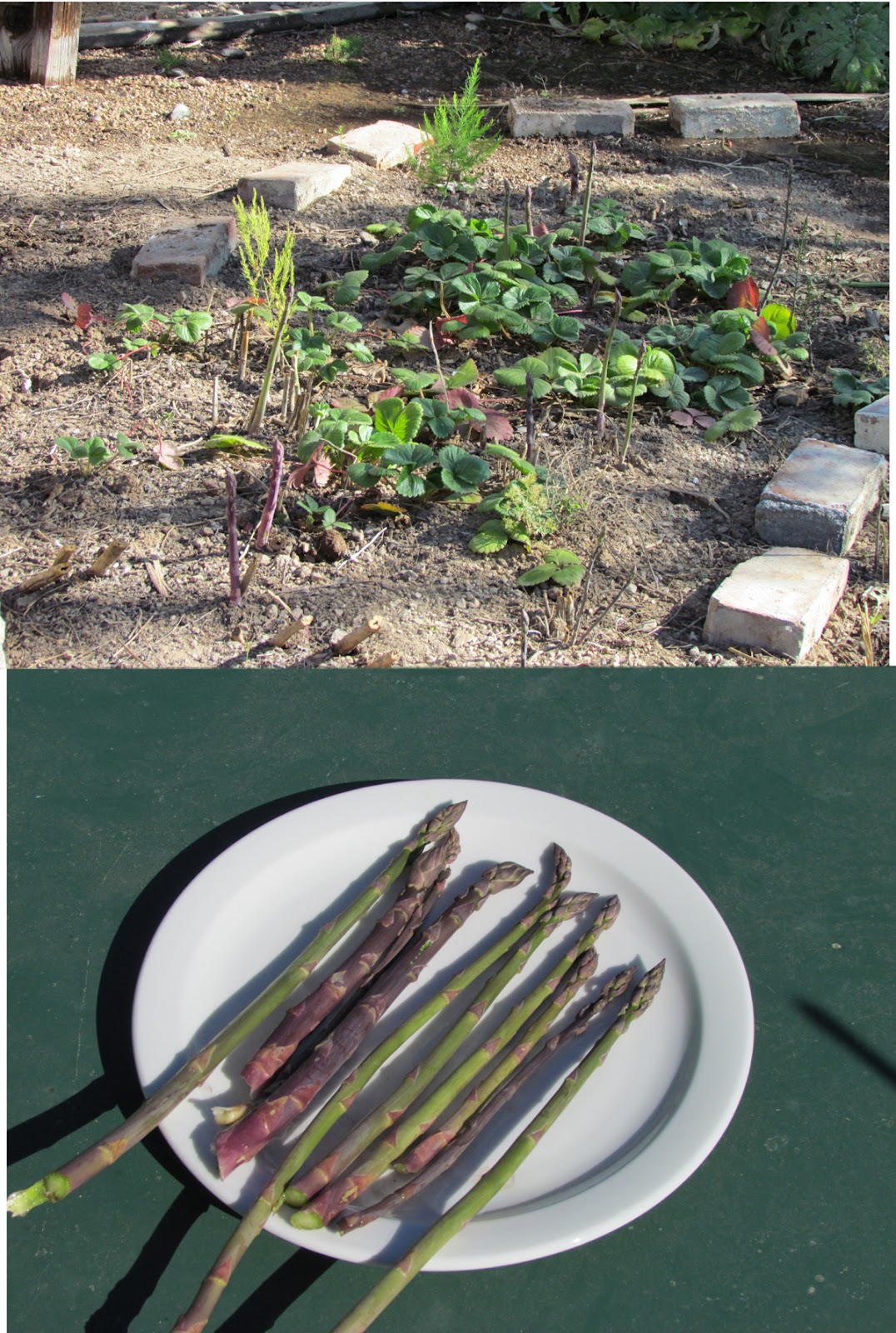
A comment from a reader got me looking at a blog post I did January 3, this year.
Greening-Advertising's Illusion of Information
In that I discussed how the words and information 'seemingly' imparted to the consumer were sometimes a lot about what they left out.
An anonymous reader commented: I have read an article about fructose and it's not good. According to the article it can be the causes of obesity, heart diseases, liver diseases and insulin resistance.
Since Anonymous made reference to fructose and not High Fructose Corn Syrup, I went to wikipedia for some clarification on sugars.
Fructose by wikpedia
This is an excellent and scientifically approached discussion.
Some points:
Fructose - fruit sugar - (not HFCS) occurs naturally in fruits, honey and other plant types.
Sucrose (table sugar from plants like sugar cane and sugar beets) is also a plant sugar - commercially the typical white table sugar goes through a process to reduce the original plant juice to crystal, then refined to make it white - organic sugar (I personally use this) is the least refined of table sugars. Sucrose is a natural combination of fructose and glucose.
High Fructose Corn Syrup is a manufactured (lab) created sweetener (and is very different from original corn syrup). HFCS winds up with a chemical composition similar to sucrose but which behaves differently in the body.
Pure fructose has a low glycemic index (good for diabetics) because it has to be processed almost entirely by the liver first.
Sucrose is partially processed by the liver but primarily processed through the stomach which is why it is bad for diabetics - it reaches the blood too quickly.
HFCS has a structure similar to sucrose, but chemically it behaves differently when metabolized in the body.
While some of the earlier reports on HFCS effects on ghrelin and leptin levels (those amino acids which trigger urges like eat / satiety) have been revised, the one glaring point in the wikipedia article is on the fact that HFCS has to be mostly processed through the liver first.
all fructose must be metabolized in the liver. The livers of the rats on the high-fructose diet looked like the livers of alcoholics, plugged with fat and cirrhotic AND Excessive fructose consumption is also believed to contribute to the development of non-alcoholic fatty liver disease.
With all the work our livers have to do in our processed food lives do we really need to consume things that make the liver really sick?
Besides making wiser choices in the foods you buy and consume, consider adding a member from the broccoli family every day to your dinner plate -- it aids the health of the liver. Broccoli is consider one of the best examples, but radishes, kale and cabbage are also great - your liver will be grateful :-)
-- Catherine, The Herb Lady
Tuesday, March 06, 2012
In the Garden and Corning Beef
Dear Folks,
Asparagus up and we are harvesting daily; kale up in the pot project; and corning beef.
Our asparagus bed has been going long enough that we can enjoy about 6 weeks of harvesting. The first official harvest was February 26th, and Deane also took a shot of the bed. Once they get going they can grow several inches in a day. We usually harvest in the afternoon and try to catch them at about 8-10 inches cutting off at the soil level. Any taller and most of the lower portion is too woody for straight eating or sauteing - although perfectly usable for making soups as they cook down well. In the picture you see green and purple. The purple variety tends to put out really thick stems. The older the roots the more robust the growth.
Asparagus straight from the garden is sweet - reminds me of corn in that just cut from the plant the ears of corn are sweet enough to eat raw.
In my project of illustrating the concept of container gardening the next photo shows the kale coming up. Just to left is one of the sugar peas taking off and doing well. On the other side of the pot, not shown, one radish seed came up. Many of the violas planted have died back as the edges dry out far quicker than the center of the pot (one of the points I try to keep pointing out to gardeners).
Got to the original post to view the slide-show video and explanation. click here.
I will be posting updates on how the pot project goes along - the goal is to have tomatoes, squash, sugar peas and subsequent edibles available. The questions to be answered are: does it work; how much is usable; cost ratio and related issues. Stay tuned :-)
Next is a recipe of sorts. With St. Patrick's Day coming up and the fact that Deane and I love corned beef, I looked into 'corning' my own beef (actually from the farmers market rancher) for a couple of years and finally this year I had the timing right to get it started.
So why bother? Well, if you are like most folks who shop for corned beef, some of it is really fatty. That is point one. Point two is what the heck is in commercial corned beef?
Let me explain the origin of the word and recipe. Corning is a type of pickling in a salt brine with or without herbs and spices. "Corn" comes from and Old English reference to the large pieces of kosher-type salt ("which is used to describe any small hard particles or grains." -- Wikipedia -- so corning something was the process of curing meat. In typical commercial recipes potassium nitrate (saltpeter) or sodium nitrite is used to preserve the beef's pink color. Sample recipes on the internet also call for either of those - sometimes using the term "pink salt." I really wanted to NOT use either of them and asked Deane if he minded if the result was not pink and he said as long as it tasted good he did not care, it is going to be cooked with cabbage and potatoes anyway.
I will post the completed recipe when the whole meal is finished after St. Patrick's Day.
Like many old fashioned recipes corning came about as a method to preserve food and also make good use of cheap (tough) cuts of meat. Also, like many old time recipes that were a sort of 'peasant' food it has become an enormously popular meal in America.
A couple of points if you want to go look for a recipe to try yourself.
1) The herbs and spices are not necessary but add extra flavor.
2) The meat has to be brined completely covered in the liquid - which usually requires weighing it down with a plate.
3) The container and plate must be NON-reactive
4) It must be refrigerated. In olden days it was done in a crock and kept in a cool dark place.
5) Some recipes suggest to make absolutely sure you have a salty enough brine you place a whole fresh egg (in-shell) in the brine before proceeding - if it does not float - it is not salty enough. The Salt is the keep to the preservation.
6) Brining time is shown as anywhere from 5 days to 2 weeks. Longer is simply saltier.
I am going to brine mine for 2 weeks, and as I have a lecture scheduled for St. Patrick's Day morning, I will be doing the dinner in a crock pot.
One last point. While the recipe usually calls for the cheap brisket cut, you can certainly - and I intend to also - try a nicer cut of meat the next time to get that nice flavor. Left over sandwiches here we come!
My Lecture:
The BTA's annual Spring Sale is March 10 - 25 (Friday March 9th is a special preview discounted sale for members - consider becoming a member and supporting this wonderful garden/museum). My lecture is March 17th, 10:30 - Noon - free with admission - I will be presenting on successful gardening in the desert.
http://ag.arizona.edu/bta/events.html
And one more photo of the reclaimed mint bed. This shows the sugar peas and corn planted Feb 1st and 4th respectively on February 26th doing very well.
I am looking forward to more of the delicious peas (our 3 other mature sugar pea plants are giving us about 1-2 cups of pods per week and are just great to snack on raw and I use them a lot in pasta primavera recipes. Yesterday (March 6th) I planted two varieties of bush beans which should get going about the time the peas may get knocked out by the heat.
I am off to a relatives to stay with her while she has routine surgery. Back next week.
Have a great time in the garden and kitchen.
-- Catherine, The Herb Lady
Asparagus up and we are harvesting daily; kale up in the pot project; and corning beef.Our asparagus bed has been going long enough that we can enjoy about 6 weeks of harvesting. The first official harvest was February 26th, and Deane also took a shot of the bed. Once they get going they can grow several inches in a day. We usually harvest in the afternoon and try to catch them at about 8-10 inches cutting off at the soil level. Any taller and most of the lower portion is too woody for straight eating or sauteing - although perfectly usable for making soups as they cook down well. In the picture you see green and purple. The purple variety tends to put out really thick stems. The older the roots the more robust the growth.
Asparagus straight from the garden is sweet - reminds me of corn in that just cut from the plant the ears of corn are sweet enough to eat raw.
In my project of illustrating the concept of container gardening the next photo shows the kale coming up. Just to left is one of the sugar peas taking off and doing well. On the other side of the pot, not shown, one radish seed came up. Many of the violas planted have died back as the edges dry out far quicker than the center of the pot (one of the points I try to keep pointing out to gardeners).
Got to the original post to view the slide-show video and explanation. click here.
I will be posting updates on how the pot project goes along - the goal is to have tomatoes, squash, sugar peas and subsequent edibles available. The questions to be answered are: does it work; how much is usable; cost ratio and related issues. Stay tuned :-)
Next is a recipe of sorts. With St. Patrick's Day coming up and the fact that Deane and I love corned beef, I looked into 'corning' my own beef (actually from the farmers market rancher) for a couple of years and finally this year I had the timing right to get it started.
So why bother? Well, if you are like most folks who shop for corned beef, some of it is really fatty. That is point one. Point two is what the heck is in commercial corned beef?
Let me explain the origin of the word and recipe. Corning is a type of pickling in a salt brine with or without herbs and spices. "Corn" comes from and Old English reference to the large pieces of kosher-type salt ("which is used to describe any small hard particles or grains." -- Wikipedia -- so corning something was the process of curing meat. In typical commercial recipes potassium nitrate (saltpeter) or sodium nitrite is used to preserve the beef's pink color. Sample recipes on the internet also call for either of those - sometimes using the term "pink salt." I really wanted to NOT use either of them and asked Deane if he minded if the result was not pink and he said as long as it tasted good he did not care, it is going to be cooked with cabbage and potatoes anyway.
I will post the completed recipe when the whole meal is finished after St. Patrick's Day.
Like many old fashioned recipes corning came about as a method to preserve food and also make good use of cheap (tough) cuts of meat. Also, like many old time recipes that were a sort of 'peasant' food it has become an enormously popular meal in America.
A couple of points if you want to go look for a recipe to try yourself.
1) The herbs and spices are not necessary but add extra flavor.
2) The meat has to be brined completely covered in the liquid - which usually requires weighing it down with a plate.
3) The container and plate must be NON-reactive
4) It must be refrigerated. In olden days it was done in a crock and kept in a cool dark place.
5) Some recipes suggest to make absolutely sure you have a salty enough brine you place a whole fresh egg (in-shell) in the brine before proceeding - if it does not float - it is not salty enough. The Salt is the keep to the preservation.
6) Brining time is shown as anywhere from 5 days to 2 weeks. Longer is simply saltier.
I am going to brine mine for 2 weeks, and as I have a lecture scheduled for St. Patrick's Day morning, I will be doing the dinner in a crock pot.
One last point. While the recipe usually calls for the cheap brisket cut, you can certainly - and I intend to also - try a nicer cut of meat the next time to get that nice flavor. Left over sandwiches here we come!
My Lecture:
The BTA's annual Spring Sale is March 10 - 25 (Friday March 9th is a special preview discounted sale for members - consider becoming a member and supporting this wonderful garden/museum). My lecture is March 17th, 10:30 - Noon - free with admission - I will be presenting on successful gardening in the desert.
http://ag.arizona.edu/bta/events.html
And one more photo of the reclaimed mint bed. This shows the sugar peas and corn planted Feb 1st and 4th respectively on February 26th doing very well.
I am looking forward to more of the delicious peas (our 3 other mature sugar pea plants are giving us about 1-2 cups of pods per week and are just great to snack on raw and I use them a lot in pasta primavera recipes. Yesterday (March 6th) I planted two varieties of bush beans which should get going about the time the peas may get knocked out by the heat.
I am off to a relatives to stay with her while she has routine surgery. Back next week.
Have a great time in the garden and kitchen.
-- Catherine, The Herb Lady
Monday, February 20, 2012
Sunchokes and what is happening in the garden
Dear Folks,
Dear Folks,
Thought I would visually catch you up on garden activity.
First up is an updated (day 18) on the new garden bed reclaimed from a mint monster. One of the crook neck squash plants collapsed. Not sure why, you can see the other looks good and so does the lettuce. Not shown, I transplanted another nearby and am leaving the other one in, in case it decides to revive.
You can read the original blog post on this new bed at this link.
Next up I posted at the beginning of the year my recipe for stuffed nasturtium leaves indicating just how big they were and so suitable for the purpose. I thought I would show off one of the areas of very happy nastys and the size of a leaf.
Click here for the original recipe post.
Some extra edible ideas for these great cool weather lovers. The immature seed is a burst of horseradish flavor. suitable for making dressings and mustard/horseradish type sauces. Just do not over do it.
If you like the idea of the stuffed leaves, consider stuffing the flowers also. Very pretty. Both the flowers and leaves can be shredded into salads or folded into mashed potatoes for their nice peppery bite.
And my newest garden experiment is Sunchokes, Jerusalem Artichokes -- a member of the sunflower family - not the artichoke family (Helianthus tuberosus).
They can be eaten raw or cooked. I will be researching some fun recipes to try and write about. For the time being I saved out some to shave raw into a salad tonight and I'm also going to roast a couple with some onion and try them that way. I will let you know how they turned out. The raw taste is nice: Crunchy, slightly sweet, close to a jicama taste and crunch by lighter.
So one ONE MORE plant? As I like to explain to folks if I eat it or drink it I want to try growing it here in the garden. The more healthy, multi-tasking edibles in our gardens the better for us and hopefully for you to also try.
Some facts about the Sunchokes.
As a member of the sunflower you can expect a tall 5-7+ feet plant with sunny wild type flower heads. A perennial repeater that means it will grow, produce more under-ground tubers, flower, seed and then die back. Reportedly if it is happy in your garden it can be invasive, so my plan and recommendation to you is to harvest ALL the tubers in the fall, then replant what and where you want them, rather than let them run amok - I have been there with plants and it is not a good idea :-)
Because they are very high in the fiber Inulin as opposed to carbohydrates, they are very healthy alternatives to potatoes (although do not drop potatoes from your diet they are good for you also, particularly the colored ones and if you leave the skins on them).
At 110 calories per cup, their high nutrient density including potassium is particularly noted. The wikipedia link below has complete nutrient content info.
You can read up more at the wikipedia site.
If you have a nice sunny, well draining spot in the garden, consider adding this tuber to your garden.
In addition to the in-ground spot I chose for mine I am also trying out a single tuber in a large pot, and will track that progress for you.
Have a great week,
Catherine, The Herb Lady
Dear Folks,
Thought I would visually catch you up on garden activity.
First up is an updated (day 18) on the new garden bed reclaimed from a mint monster. One of the crook neck squash plants collapsed. Not sure why, you can see the other looks good and so does the lettuce. Not shown, I transplanted another nearby and am leaving the other one in, in case it decides to revive.
You can read the original blog post on this new bed at this link.
Next up I posted at the beginning of the year my recipe for stuffed nasturtium leaves indicating just how big they were and so suitable for the purpose. I thought I would show off one of the areas of very happy nastys and the size of a leaf.
Click here for the original recipe post.
Some extra edible ideas for these great cool weather lovers. The immature seed is a burst of horseradish flavor. suitable for making dressings and mustard/horseradish type sauces. Just do not over do it.
If you like the idea of the stuffed leaves, consider stuffing the flowers also. Very pretty. Both the flowers and leaves can be shredded into salads or folded into mashed potatoes for their nice peppery bite.
And my newest garden experiment is Sunchokes, Jerusalem Artichokes -- a member of the sunflower family - not the artichoke family (Helianthus tuberosus).
They can be eaten raw or cooked. I will be researching some fun recipes to try and write about. For the time being I saved out some to shave raw into a salad tonight and I'm also going to roast a couple with some onion and try them that way. I will let you know how they turned out. The raw taste is nice: Crunchy, slightly sweet, close to a jicama taste and crunch by lighter.
So one ONE MORE plant? As I like to explain to folks if I eat it or drink it I want to try growing it here in the garden. The more healthy, multi-tasking edibles in our gardens the better for us and hopefully for you to also try.
Some facts about the Sunchokes.
As a member of the sunflower you can expect a tall 5-7+ feet plant with sunny wild type flower heads. A perennial repeater that means it will grow, produce more under-ground tubers, flower, seed and then die back. Reportedly if it is happy in your garden it can be invasive, so my plan and recommendation to you is to harvest ALL the tubers in the fall, then replant what and where you want them, rather than let them run amok - I have been there with plants and it is not a good idea :-)
Because they are very high in the fiber Inulin as opposed to carbohydrates, they are very healthy alternatives to potatoes (although do not drop potatoes from your diet they are good for you also, particularly the colored ones and if you leave the skins on them).
At 110 calories per cup, their high nutrient density including potassium is particularly noted. The wikipedia link below has complete nutrient content info.
You can read up more at the wikipedia site.
If you have a nice sunny, well draining spot in the garden, consider adding this tuber to your garden.
In addition to the in-ground spot I chose for mine I am also trying out a single tuber in a large pot, and will track that progress for you.
Have a great week,
Catherine, The Herb Lady
Wednesday, February 15, 2012
Farmers Market/Garden Beef Stew
Dear folks,
I made my version of Beef Burgundy yesterday for our Valentine's Day dinner (Deane is your basic meat and potatoes guy who will try a lot of things, but I try to give him a 'guy' dinner when I can :-)
This stew came together so nicely with a selection of herbs from my garden (I am The Herb Lady :-) and meat, potatoes and carrots from the Mesa Farmers Market - also some additional carrots from my garden.
About the herbs. From left to right, sort of, are red celery (see my post yesterday about this variety), red scallion, green garlic, lavender, conehead thyme, golden rain rosemary, and flat-leaf parsley..
Since yesterday turned out to be a dismal day, stew was the perfect dinner for the day.
Some of the vendors I got ingredients from were:
Funny Farms
Chic-a-bee
Crooked Sky
Red Mountain Cattle (grass fed beef)
One Windmill
And we finished off dinner with Nicki (Cup Cake Cafe) chocolate cake pops - oh my!!
MY BEEF BURGUNDY
One of the wonderful things about stews is the ability to just wing-it with proportions. Deane loves carrots so more carrots than potatoes. I did this in a crock pot, so we could do some errands in the morning (one of those domestic realities - it is Valentine's Day, so we went shopping for things like paper towels, and some staple food items :-)
Stewing beef 1-4 pounds
1 cup of beef broth
2 tablespoons of red wine vinegar
5 red potatoes
7 medium size carrots
bottle of red wine (I used a Malbec - in the past I have used burgundy, Shiraz, and I would use an Italian Chianti or Valpolicella too)
flour
1/2 teaspoon peppercorns
pinch of sea salt
1 tablespoon olive oil
1 tablespoon butter
1 each scallion and green garlic
small bunch each of parsley and celery leaves
1 sprig each rosemary, lavender and thyme
Chop carrots and potatoes into good size chunks.
Rinse meat, place in a bowl and sprinkle with enough flour to coat each piece. Don't rinse bowl.
Melt butter and oil together in a good size skillet and brown meat on all sides. Set meat aside. Deglaze pan with broth or wine, scraping up all and pour into the crock pot. Add wine or some of the broth to the flour used to dredge the meat, stir and set aside for thickening later.
Tie herbs in a bundle or push all down one side of the pot, place meat in bottom and add potatoes and carrots. Add remainder of broth, all the vinegar and enough red wine to just cover. Add peppercorns.
Turn crock pot on high for 1 hour, the reduce to low temperature and cook for about 6-7 hours more. Beef should be fork tender.
Stir up reserved flour/wine mixture, add more flour and wine or broth as needed to make a slurry for thickening. Ladle some of the stew liquid into a pot, bring to a boil and add slurry. Stir until thick and add back into the crock pot. Stir and serve with rolls, a salad if you like and enjoy!
Then have the cake pops!!
Have a great day,
-- Catherine, The Herb Lady
I made my version of Beef Burgundy yesterday for our Valentine's Day dinner (Deane is your basic meat and potatoes guy who will try a lot of things, but I try to give him a 'guy' dinner when I can :-)This stew came together so nicely with a selection of herbs from my garden (I am The Herb Lady :-) and meat, potatoes and carrots from the Mesa Farmers Market - also some additional carrots from my garden.
About the herbs. From left to right, sort of, are red celery (see my post yesterday about this variety), red scallion, green garlic, lavender, conehead thyme, golden rain rosemary, and flat-leaf parsley..
Since yesterday turned out to be a dismal day, stew was the perfect dinner for the day.
Some of the vendors I got ingredients from were:
Funny Farms
Chic-a-bee
Crooked Sky
Red Mountain Cattle (grass fed beef)
One Windmill
And we finished off dinner with Nicki (Cup Cake Cafe) chocolate cake pops - oh my!!
MY BEEF BURGUNDY
One of the wonderful things about stews is the ability to just wing-it with proportions. Deane loves carrots so more carrots than potatoes. I did this in a crock pot, so we could do some errands in the morning (one of those domestic realities - it is Valentine's Day, so we went shopping for things like paper towels, and some staple food items :-)Stewing beef 1-4 pounds
1 cup of beef broth
2 tablespoons of red wine vinegar
5 red potatoes
7 medium size carrots
bottle of red wine (I used a Malbec - in the past I have used burgundy, Shiraz, and I would use an Italian Chianti or Valpolicella too)
flour
1/2 teaspoon peppercorns
pinch of sea salt
1 tablespoon olive oil
1 tablespoon butter
1 each scallion and green garlic
small bunch each of parsley and celery leaves
1 sprig each rosemary, lavender and thyme
Chop carrots and potatoes into good size chunks.
Rinse meat, place in a bowl and sprinkle with enough flour to coat each piece. Don't rinse bowl.
Melt butter and oil together in a good size skillet and brown meat on all sides. Set meat aside. Deglaze pan with broth or wine, scraping up all and pour into the crock pot. Add wine or some of the broth to the flour used to dredge the meat, stir and set aside for thickening later.
Tie herbs in a bundle or push all down one side of the pot, place meat in bottom and add potatoes and carrots. Add remainder of broth, all the vinegar and enough red wine to just cover. Add peppercorns.
Turn crock pot on high for 1 hour, the reduce to low temperature and cook for about 6-7 hours more. Beef should be fork tender.
Stir up reserved flour/wine mixture, add more flour and wine or broth as needed to make a slurry for thickening. Ladle some of the stew liquid into a pot, bring to a boil and add slurry. Stir until thick and add back into the crock pot. Stir and serve with rolls, a salad if you like and enjoy!
Then have the cake pops!!
Have a great day,
-- Catherine, The Herb Lady
Tuesday, February 14, 2012
My Newest Garden Bed
Dear Folks,
After allowing the wonderful Kentucky Colonel spearmint to completely overrun a bed (don't every do that!!), I decided we needed to take it back and use if for more food producing plants.
A note about the spearmint: It is a glorious herb, I use it to flavor water, drinks, in egg, chicken or tuna salad mixes, sometimes in salads, always in tabouli and other dishes I can't think of right now.
It is just that I did not need an 8 x 10 foot bed of it :-)
Deane did all the really hard work - and I do mean HARD - as the roots had amassed to the combined size of tree trunks. It required moving all the pavers you see to get every single root. I then sifted the soil (you see it on the tarp at thee back of the top portion of the picture) to get all the rest of the roots out. We then mixed back in about 50/50 good compost/soil mix and I planted - a lot. You will notice the flowers. If you saw my video post yesterday on setting up an container garden, I use flowers for multiple purposes. And always edible flower options in food producing beds.
The flowers are pretty to look at while the garden gets going; they act as a soil condition and moisture level barometer; they attract pollinators to the garden and finally, you can eat them too!
You can see the chicken wire hats placed over seeded in areas. This keeps the birds and critters out while the plants get going. After there is good growth I remove the hats. The critters seem to forget the plants are there (although I am going to have to keep a watch for the squirrel).
The foreground part of the photo shows the crook-neck squash and just to the right you can see the lettuce seeds sprouting. Since my tomatoes wintered over and are producing I want more lettuce for salads.
Here is what I planted in this garden. I will try to post another update in about 45 days when much of the growth should be rolling along well.
Corn and sugar peas on the north side - running east to west. (So the rest of the garden gets good morning to afternoon sun.
So far I have seeded in lettuce, carrots, radishes (up already and it is only at day 13), celery, two types of turnips, beets, and kale. I transplanted a sorrel and catnip from the old bed. I transplanted Green Zebra and a San Marzano tomato (trying the San Marzano for the first time here), a dark opal basil and Za'atar herb, purple tomatillo and orange bell pepper. The flowers are a mix of johnny jump-up type and other violas.
A note about the celery. I am experimenting this year with a red-stemed celery variety. So far what happened in another bed was the realization that the bed did not get enough direct winter sun. The plants came up, they are healthy, but not nearly as tall as I expected. Good flavor, just not a lot of the plant. BTW this variety called "Red-venture" is grown in part because of the lycopene in the stems, but also because you can harvest a few stems at a time working from the outside, instead of having to take out the whole bunch.
I am Very Late in trying more of the seed but this new bed has great sun exposure so I can see the kind of growth which I can expect next fall when I plant again, at least from a 'how-does-it-grow' with enough sun standpoint. Celery is a real challenge in the desert garden because of the long growing season requirement. I don't expect this late season experiment to produce the reputed 2 foot plants (because we will be moving into the heat), but any growth will be useable.
A note about the Za'atar herb. I got the seeds from Bakers Nursery and it is reported to be 'the' za'atar herb native to the Middle East for which the spice mix is named. Until the leaves are a good size, I won't know if this is a new-to-me plant or Syrian Oregano, and plant often described as za'atar (a great plant, but botanically I am not sure it is THE herb in question).
That's all for now folks,
Have a great day in the garden.
-- Catherine, The Herb Lady
After allowing the wonderful Kentucky Colonel spearmint to completely overrun a bed (don't every do that!!), I decided we needed to take it back and use if for more food producing plants.
A note about the spearmint: It is a glorious herb, I use it to flavor water, drinks, in egg, chicken or tuna salad mixes, sometimes in salads, always in tabouli and other dishes I can't think of right now.
It is just that I did not need an 8 x 10 foot bed of it :-)
Deane did all the really hard work - and I do mean HARD - as the roots had amassed to the combined size of tree trunks. It required moving all the pavers you see to get every single root. I then sifted the soil (you see it on the tarp at thee back of the top portion of the picture) to get all the rest of the roots out. We then mixed back in about 50/50 good compost/soil mix and I planted - a lot. You will notice the flowers. If you saw my video post yesterday on setting up an container garden, I use flowers for multiple purposes. And always edible flower options in food producing beds.
The flowers are pretty to look at while the garden gets going; they act as a soil condition and moisture level barometer; they attract pollinators to the garden and finally, you can eat them too!
You can see the chicken wire hats placed over seeded in areas. This keeps the birds and critters out while the plants get going. After there is good growth I remove the hats. The critters seem to forget the plants are there (although I am going to have to keep a watch for the squirrel).
The foreground part of the photo shows the crook-neck squash and just to the right you can see the lettuce seeds sprouting. Since my tomatoes wintered over and are producing I want more lettuce for salads.
Here is what I planted in this garden. I will try to post another update in about 45 days when much of the growth should be rolling along well.
Corn and sugar peas on the north side - running east to west. (So the rest of the garden gets good morning to afternoon sun.
So far I have seeded in lettuce, carrots, radishes (up already and it is only at day 13), celery, two types of turnips, beets, and kale. I transplanted a sorrel and catnip from the old bed. I transplanted Green Zebra and a San Marzano tomato (trying the San Marzano for the first time here), a dark opal basil and Za'atar herb, purple tomatillo and orange bell pepper. The flowers are a mix of johnny jump-up type and other violas.
A note about the celery. I am experimenting this year with a red-stemed celery variety. So far what happened in another bed was the realization that the bed did not get enough direct winter sun. The plants came up, they are healthy, but not nearly as tall as I expected. Good flavor, just not a lot of the plant. BTW this variety called "Red-venture" is grown in part because of the lycopene in the stems, but also because you can harvest a few stems at a time working from the outside, instead of having to take out the whole bunch.
I am Very Late in trying more of the seed but this new bed has great sun exposure so I can see the kind of growth which I can expect next fall when I plant again, at least from a 'how-does-it-grow' with enough sun standpoint. Celery is a real challenge in the desert garden because of the long growing season requirement. I don't expect this late season experiment to produce the reputed 2 foot plants (because we will be moving into the heat), but any growth will be useable.
A note about the Za'atar herb. I got the seeds from Bakers Nursery and it is reported to be 'the' za'atar herb native to the Middle East for which the spice mix is named. Until the leaves are a good size, I won't know if this is a new-to-me plant or Syrian Oregano, and plant often described as za'atar (a great plant, but botanically I am not sure it is THE herb in question).
That's all for now folks,
Have a great day in the garden.
-- Catherine, The Herb Lady
Monday, February 13, 2012
My first video post on youtube!
Dear Folks,
I just posted my first video - actually a narrated slideshow - on youtube. I have been wanting to do instructional videos for a long time. The challenge has been what to start with, when and all the 'first time' things with using a new tool.
Since I recently decided to do a container project to demonstrate "how" to grow successfully in a pot in the desert, this turned out to be a good launch to what I hope will be a serious of helpful posts on youtube.
I hope to keep all future ones relatively short in the 3-8 minute or so range to make quick, but detailed discussions of the subject matter.
I welcome your thoughts and questions.
Have a great time in the garden!
-- Catherine, The Herb Lady
Subscribe to:
Posts (Atom)


